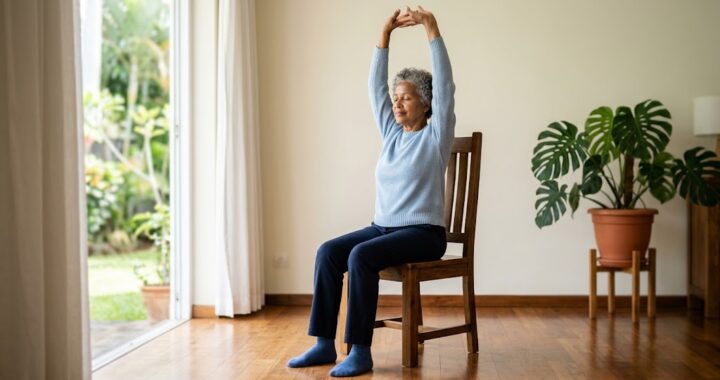
When joints ache, rest feels like the sensible answer. For most people with arthritis, though, the evidence points the other way: staying active is one of the best things you can do. That doesn’t mean pushing through pain. It means choosing the right kinds of movement and building up carefully.
This guide explains what the main public health bodies say, in plain language.
What the guidelines say
The CDC notes that physical activity is an effective, low-cost way to manage arthritis symptoms, and that most adults with arthritis can follow the general activity guidelines at a level that suits them. The UK’s NICE guidelines for osteoarthritis list exercise, including strengthening and general aerobic activity, as a core treatment for everyone with the condition. The Arthritis Foundation likewise recommends regular, gentle activity.
Exercise doesn’t cure arthritis or rebuild worn cartilage. The aim is less stiffness, stronger supporting muscles, better movement and often less pain.
First, know which type you have
Osteoarthritis is the most common type, caused by wear and tear. Inflammatory types, such as rheumatoid arthritis, involve the immune system and need medical treatment as well as exercise. If you haven’t had a diagnosis, see your doctor before starting a programme.
The four types of exercise that help
- Range-of-motion (flexibility). Gentle movements that take joints through their normal range. Good for stiffness, daily, and ideal as a warm-up.
- Strengthening. Stronger muscles take load off the joints. Aim for 2 or more days a week, 1 or 2 sets of 8 to 12 repetitions.
- Aerobic (low impact). Walking, cycling, swimming or water exercise. Work up toward 150 minutes of moderate activity a week, in short bouts if needed.
- Balance. Standing practice such as single-leg holds, which helps prevent falls.
A simple weekly shape
| Day | Focus |
|---|---|
| Monday | Gentle range of motion, then strengthening |
| Tuesday | Walking or water exercise, 20 minutes |
| Wednesday | Range of motion and balance |
| Thursday | Walking or cycling, 20 minutes |
| Friday | Strengthening and balance |
| Saturday | Something enjoyable: a longer walk, pool or dance |
| Sunday | Rest or gentle stretching |
Start well below this and build slowly. Even 10 minutes on three days is a good start.
When seeing family members manage joint stiffness, what helped them most was keeping a consistent morning habit—starting each day with three minutes of gentle range-of-motion exercises before doing anything else kept their joints mobile and made walking throughout the day far more comfortable.
The pain rule
A common guideline used by therapists: mild discomfort that settles within about an hour is acceptable. If a joint is clearly more painful the next day, you did too much, so reduce the load next time. Sharp pain, a joint that locks or gives way, or swelling is a reason to stop.
What to do during a flare
When a joint is hot, swollen or especially painful:
- Switch to gentle range-of-motion movement and short walks
- Skip strengthening and high effort for that joint
- Use heat or cold, whichever you find more helpful
- Contact your doctor if it doesn’t settle in a few days, or sooner if it’s severe
Programmes worth looking for
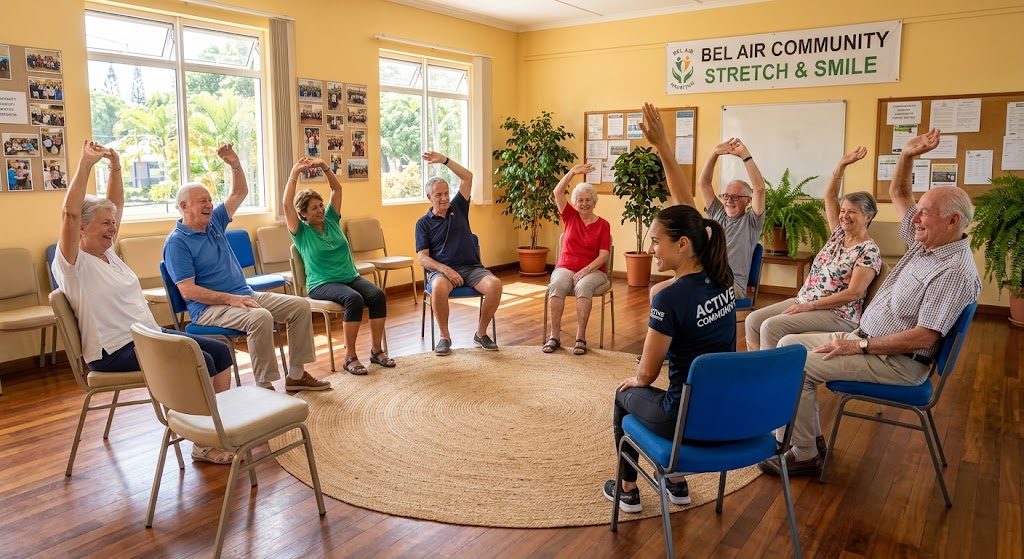
The CDC lists several community programmes designed for people with arthritis, such as Walk With Ease, EnhanceFitness and Fit & Strong!. Availability depends on where you live. Ask your doctor, physiotherapist, local senior centre or the Arthritis Foundation about options near you.
Joint-friendly choices
- Often well tolerated: walking, swimming and water exercise, cycling, tai chi, chair exercises.
- Take care with: running, jumping, deep squats and heavy twisting, especially on painful joints.
See a doctor if: a joint is suddenly hot, red and swollen; morning stiffness lasts longer than about 30 minutes; you have a fever with joint pain; you can’t bear weight; or you have unexplained weight loss or fatigue along with joint pain.
Quick answers
Will exercise make my arthritis worse? Appropriate exercise generally does not worsen arthritis and often helps. Overdoing it can flare symptoms, so build gradually.
Should I exercise when it hurts? Gentle movement is usually fine. Sharp or worsening pain means stop.
What is the best single exercise? There isn’t one. Walking plus simple strengthening is a strong foundation.
Do I need a physiotherapist? Not always, but one can tailor a programme, which is helpful if pain limits you.
Sources
Medical disclaimer: This article is for general information and education only. It is not medical advice and does not replace advice from your doctor or physiotherapist. Stop any exercise and seek medical help if you feel chest pain, dizziness, sharp pain or unusual shortness of breath.

Arthur Sterling — Founder and Editor
Not a medical professional
I started Fitness Marble because of my grandparents, to help older adults stay independent, confident and strong in their own homes. My background is in quality assurance and project management. I am not a doctor, physiotherapist or dietitian, and nothing here is medical advice.
Read more
Growing up, my grandparents instilled in me my core values and a deep sense of responsibility as the eldest son. As they grew older, their care shaped what I want this site to do.
My career has been in quality assurance and project management. That means I check details and follow a strict process, and that is how I work here. My job is to read public guidance from trusted sources such as the CDC, the World Health Organization and the National Institutes of Health, and turn it into simple, practical routines you can actually follow.
Every article lists its sources at the bottom so you can check them yourself. You can read how articles are researched and checked on our Editorial Policy page.
I write under the pen name Arthur Sterling to protect my privacy, but I remain fully accountable for what is published here. If you spot a mistake, email me at contact@fitnessmarble.com and I will correct it promptly.
Please talk to your own doctor before starting any new exercise programme, especially if you have a health condition or take medication.