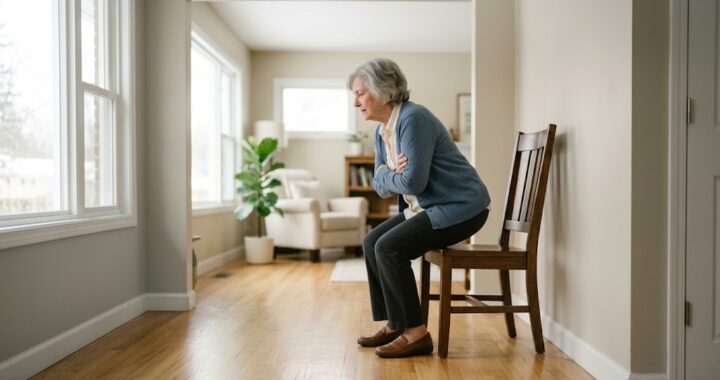
You can do all the right exercises at home and still wonder whether you are doing enough. One useful step up is a structured falls prevention programme: a course designed, tested and run by trained people, with a clear structure and a track record.
This guide explains the main types of programme, what they involve, and how to find one near you.
Why structured programmes help
The CDC reports that more than one in four adults aged 65 and over falls each year. A large Cochrane review found that exercise programmes reduce the rate of falls in older people living at home by roughly a quarter, and that programmes with a balance and functional focus did well. Programmes that are supervised and progressive are generally better at getting the details right than a random video.
The main types
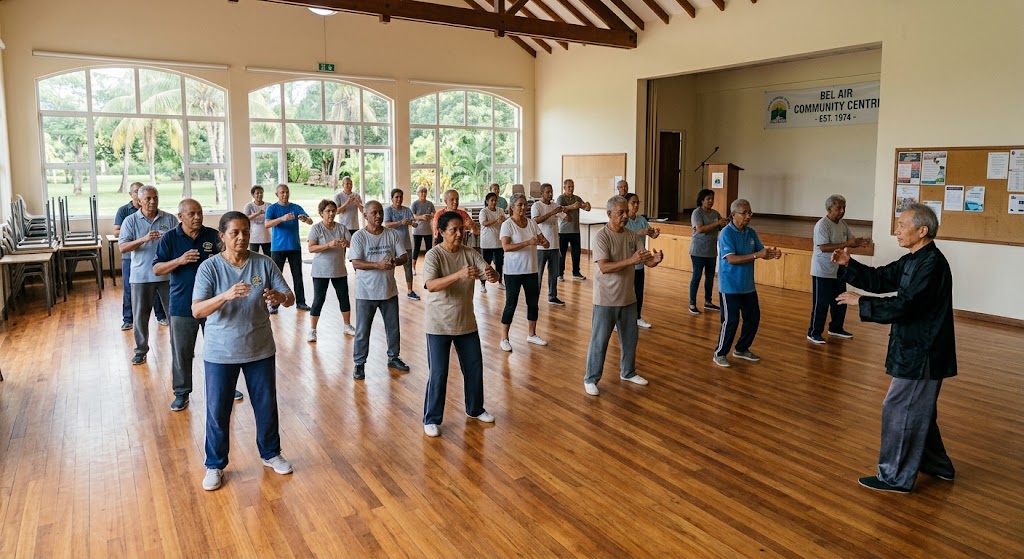
Tai Chi. Slow, flowing movements that challenge balance and weight shifting. The Cochrane review found that Tai Chi may reduce falls, though the quality of the evidence varied. Look for classes designed for older adults, such as “Tai Ji Quan: Moving for Better Balance”.
The Otago Exercise Programme. A set of strength and balance exercises tailored to the individual and taught by a trained health professional, usually a physiotherapist, with home practice and regular follow-up. It has been studied extensively in older people.
A Matter of Balance. A group course that focuses on the fear of falling. It teaches practical ways to stay active and reduce risks at home, and is typically led by trained volunteers over several weeks. It is not an exercise class but it supports one.
Stepping On. A group programme that combines balance and strength exercises with practical advice on home safety, vision, footwear and medicines.
EnhanceFitness and similar group classes. Community classes that combine aerobic, strength, balance and flexibility work in a supervised group.
Names and availability vary by country. The principle is the same everywhere: look for something structured, supervised and aimed at older adults.
When guiding my own extended family through staying steady as they aged, the structured, social setting of group classes made all the difference—seeing peers work through the same balance progressions built as much confidence as the exercises themselves.
How to find one near you
- Ask your doctor or physiotherapist. They may refer you or know local options.
- Your local senior centre, community hall or library. Many host balance or tai chi classes.
- In the US: the National Council on Aging and the Eldercare Locator can help you find local evidence-based programmes. The CDC’s STEADI materials also help you talk to your doctor.
- Outside the US: ask your national or regional health service, your local council or age charity.
Questions to ask before you join
- Is the instructor trained to teach older adults, and do they have recognised qualifications?
- Is this a recognised programme, or a general class?
- How many people are in the class? Smaller is better.
- Are there options for different ability levels, including chair-based?
- Can I try a session first?
- What happens if I have a health condition or take medication?
Signs of a good programme
- A clear beginning and end, or a progressive plan
- Balance and strength both included
- The instructor asks about your health first
- Advice goes beyond exercise to home safety, vision, footwear and medications
- No promises that you will never fall
What a programme can’t do
No class eliminates the risk of falling. A programme works best alongside home safety changes, regular vision and hearing checks, a medicines review with your doctor or pharmacist, and walking and strength work at home.
Talk to your doctor if: you have fallen more than once in a year, you feel dizzy or unsteady, you are afraid of falling, or you take several medicines. A falls assessment is a reasonable thing to ask for.
Quick answers
Is Tai Chi enough on its own? It is a good component, but combine it with leg strengthening and walking.
Are online classes okay? Some are good, particularly if run by qualified instructors with live feedback. Choose carefully and have a safe space and sturdy support.
Are these programmes expensive? Costs vary widely. Many community classes are low cost or free.
How long before I notice a difference? Many programmes run 8 to 12 weeks, and people often report feeling steadier within that time, though it varies.
Sources
Medical disclaimer: This article is for general information and education only. It is not medical advice and does not replace advice from your doctor or physiotherapist. Stop any exercise and seek medical help if you feel chest pain, dizziness, sharp pain or unusual shortness of breath.
Arthur Sterling — Founder and Editor
Not a medical professional
I started Fitness Marble because of my grandparents, to help older adults stay independent, confident and strong in their own homes. My background is in quality assurance and project management. I am not a doctor, physiotherapist or dietitian, and nothing here is medical advice.
Read more
Growing up, my grandparents instilled in me my core values and a deep sense of responsibility as the eldest son. As they grew older, their care shaped what I want this site to do.
My career has been in quality assurance and project management. That means I check details and follow a strict process, and that is how I work here. My job is to read public guidance from trusted sources such as the CDC, the World Health Organization and the National Institutes of Health, and turn it into simple, practical routines you can actually follow.
Every article lists its sources at the bottom so you can check them yourself. You can read how articles are researched and checked on our Editorial Policy page.
I write under the pen name Arthur Sterling to protect my privacy, but I remain fully accountable for what is published here. If you spot a mistake, email me at contact@fitnessmarble.com and I will correct it promptly.
Please talk to your own doctor before starting any new exercise programme, especially if you have a health condition or take medication.