If you only have time or energy for one kind of exercise, which should it be: a brisk walk or a few sets of strength moves? It is a common question, and the honest answer is that the guidelines don’t pick a winner. They recommend both, because each does a different job.
This guide explains what each does, how much to aim for, and how to fit both into a realistic week.
What the guidelines say
The WHO and the US Physical Activity Guidelines suggest that adults aged 65 and over aim for:
- Aerobic (cardio) activity: 150 to 300 minutes a week of moderate activity
- Muscle-strengthening activity: at least 2 days a week
- Balance and functional exercise: 3 or more days a week, to reduce falls
If you can’t meet those levels, do what you can. Any increase from doing nothing is valuable.
What each one does
| Cardio | Strength training | |
|---|---|---|
| Main benefit | Heart and lung fitness, stamina | Muscle, bone and everyday strength |
| Everyday payoff | Walking further, less breathless on stairs | Standing up, carrying shopping, getting off the floor |
| Mood and sleep | Often helps | Often helps |
| Falls | Some benefit | Strong benefit, especially with balance work |
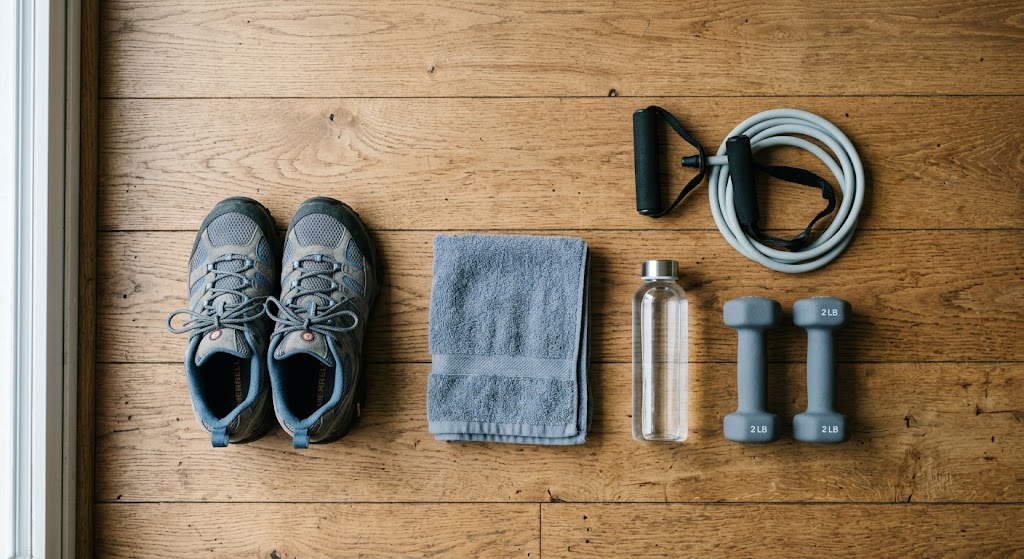
| Examples | Walking, cycling, swimming, water exercise | Sit-to-stands, resistance bands, light weights |
So which first?
- If you are mostly inactive: start with whichever you are most likely to do. A daily 10-minute walk is a good start.
- If your goal is preventing falls: put strength and balance first. Falls prevention evidence leans on those.
- If your goal is heart health or stamina: prioritise regular walking or another aerobic activity.
- If you have a heart or lung condition: ask your doctor to guide your intensity, then add both.
When watching family members who relied solely on walking for exercise, adding just two short days of strength moves made a remarkable difference—they walked with greater confidence and found climbing stairs significantly less tiring.
How hard is hard enough?
Use two simple checks:
- Talk test. In moderate cardio you can talk but not sing.
- Effort scale. On a scale of 0 to 10, moderate is about 5 or 6.
For strength, the last two repetitions of a set should feel challenging while you keep good form.
A simple weekly mix
| Day | Activity |
|---|---|
| Monday | Strength (legs, back, arms), 20 minutes |
| Tuesday | Walk, 25 minutes |
| Wednesday | Balance practice, 10 minutes |
| Thursday | Walk or cycle, 25 minutes |
| Friday | Strength, 20 minutes |
| Saturday | A longer, enjoyable walk or water exercise |
| Sunday | Rest or gentle stretching |
Start with fewer days and shorter sessions if that is where you are. This pattern adds up to roughly 130 to 150 minutes of activity, with two strength days.
Common mistakes
- Only doing one type. Walking alone doesn’t build much strength, and strength alone doesn’t build much stamina.
- Jumping straight in. Build up over weeks.
- Ignoring balance. Add a few minutes of standing practice.
- Skipping rest days. Muscles adapt on recovery days.
Be safe
Check with your doctor first if you have a heart condition, high blood pressure, diabetes, osteoporosis or joint problems, or if you are unsure.
Stop and get medical help if you notice: chest pain or pressure, severe shortness of breath, dizziness or faintness, a racing or irregular heartbeat, or sudden sharp pain.
If you only have 15 minutes
Short sessions still count. On a tight day, pick one:
- A brisk 15-minute walk if you have not moved much yet.
- Two rounds of sit-to-stands and a seated row with a light band if you want to protect your legs and back.
- Five minutes of balance practice at the kitchen counter, plus a 10-minute walk.
None of these replaces a full week, but the aim is to keep the habit alive. Over a month, those small sessions add up to more than an occasional long one.
How to tell it is working
Look for everyday changes rather than numbers on a screen. You may find you can climb a flight of stairs with less puffing, carry the shopping in one trip, or stand up from a low chair without pushing off. If you want something measurable, time how long a familiar walk takes, or count your chair stands in 30 seconds every four weeks, and write the results down.
Quick answers
Is walking enough? It’s an excellent base, but add strength and balance work for the full benefit.
Do I need weights? No. Body weight, a chair and a light resistance band are enough to start.
Is strength training safe at 80? Many older adults benefit from it, usually with supervision or guidance at first. Ask your doctor or a physiotherapist.
How soon will I see results? Many people notice easier daily movement within 4 to 8 weeks, though it varies.
Sources
Medical disclaimer: This article is for general information and education only. It is not medical advice and does not replace advice from your doctor or physiotherapist. Stop any exercise and seek medical help if you feel chest pain, dizziness, sharp pain or unusual shortness of breath.

Arthur Sterling — Founder and Editor
Not a medical professional
I started Fitness Marble because of my grandparents, to help older adults stay independent, confident and strong in their own homes. My background is in quality assurance and project management. I am not a doctor, physiotherapist or dietitian, and nothing here is medical advice.
Read more
Growing up, my grandparents instilled in me my core values and a deep sense of responsibility as the eldest son. As they grew older, their care shaped what I want this site to do.
My career has been in quality assurance and project management. That means I check details and follow a strict process, and that is how I work here. My job is to read public guidance from trusted sources such as the CDC, the World Health Organization and the National Institutes of Health, and turn it into simple, practical routines you can actually follow.
Every article lists its sources at the bottom so you can check them yourself. You can read how articles are researched and checked on our Editorial Policy page.
I write under the pen name Arthur Sterling to protect my privacy, but I remain fully accountable for what is published here. If you spot a mistake, email me at contact@fitnessmarble.com and I will correct it promptly.
Please talk to your own doctor before starting any new exercise programme, especially if you have a health condition or take medication.