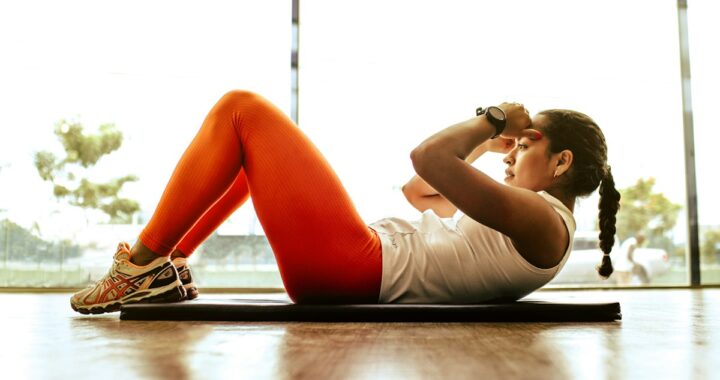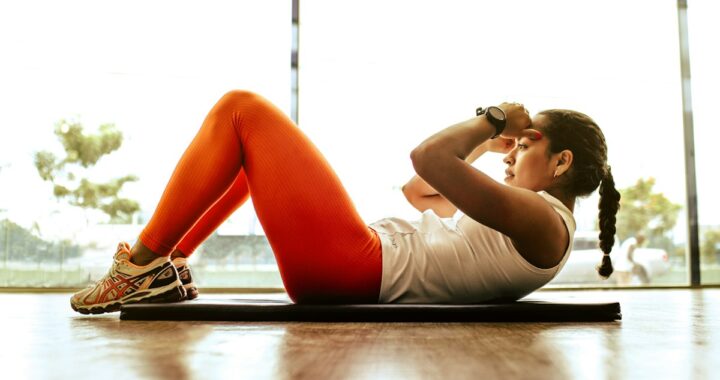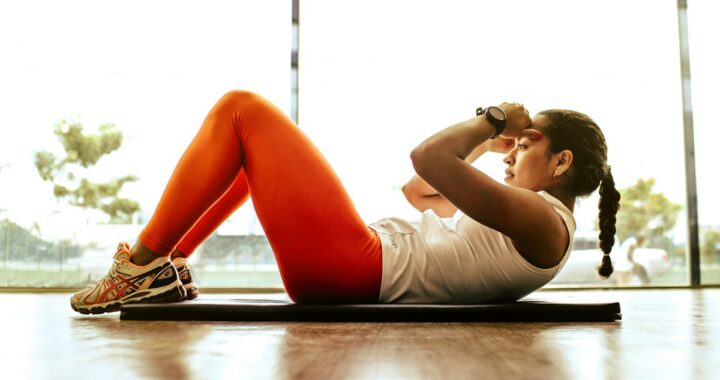

Pilates is indeed a highly beneficial exercise modality for older adults seeking to maintain and improve their physical well-being. Its emphasis on core strength, flexibility, and balance makes it an excellent option for promoting independence and reducing the risk of age-related physical decline.
Why Pilates Stands Out for Seniors
Pilates focuses on controlled movements, precise muscle engagement, and proper breathing techniques, making it a low-impact exercise suitable for various fitness levels.
This method strengthens the deep abdominal muscles, pelvic floor, and back, creating a strong “powerhouse” that supports the spine and improves overall posture.
Key Benefits for Aging Bodies
Improved balance is a significant advantage, directly contributing to fall prevention, a critical concern for older adults.
Regular practice enhances flexibility and range of motion, alleviating stiffness and making everyday activities easier to perform.
The gentle, controlled nature of Pilates also supports joint health, reducing strain while still building strength around vulnerable areas.
Connecting to Hands & Feet Health
While often associated with core work, Pilates indirectly benefits the health and function of hands and feet through improved body awareness and stability.
Enhanced balance and proprioception, developed through Pilates, directly impact foot placement and gait, reducing strain on the ankles and feet.
Furthermore, better overall posture and core support can alleviate compensatory stress on the lower extremities, promoting healthier articulation in the feet and more confident movement.
Getting Started Safely
It is advisable for older adults to begin Pilates under the guidance of a certified instructor who has experience working with seniors.
Instructors can modify exercises to accommodate individual needs, pre-existing conditions, or physical limitations, ensuring a safe and effective workout.
Consulting with a healthcare provider before starting any new exercise program is always recommended to ensure it aligns with personal health goals.
Medical disclaimer: This article is for general information and education only. It is not medical advice and does not replace advice from your doctor or physiotherapist. Stop any exercise and seek medical help if you feel chest pain, dizziness, sharp pain or unusual shortness of breath.