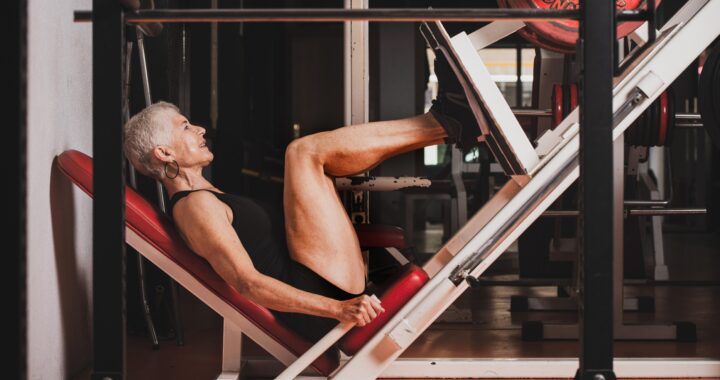

For individuals over the age of 40, the ability to successfully complete specific flexibility exercises can be a strong indicator of a biological age significantly younger than one’s chronological years. Achieving proficiency in these movements suggests optimal joint health, muscular elasticity, and overall functional longevity, particularly concerning the knees and hips.
Why Flexibility Matters Post-40
As we age, natural physiological changes can lead to decreased muscle elasticity and joint stiffness, impacting mobility and increasing the risk of injury. Maintaining flexibility is not merely about touching your toes; it is fundamental for preserving range of motion, supporting joint health, and executing daily activities without discomfort.
Adequate flexibility in the knees and hips is paramount for balance, gait efficiency, and preventing common age-related conditions such as osteoarthritis and chronic pain. Evaluating your capacity in key flexibility benchmarks can offer insights into the true functional age of your musculoskeletal system.
The Eight Flexibility Benchmarks
Attempt these movements carefully and without pain. Consult a healthcare professional before starting any new exercise regimen, especially if you have pre-existing conditions.
1. Sitting Reach Test: Sit on the floor with legs extended and feet flat against a wall or box. Reach forward as far as possible, aiming to touch or pass your toes. This assesses hamstring and lower back flexibility, crucial for hip hinge mechanics and preventing compensatory strain on the knees.
2. Figure-Four Stretch: Lie on your back, bend your knees, and place your feet flat. Cross one ankle over the opposite knee. Gently pull the bottom thigh towards your chest, feeling a stretch in the glute and outer hip. This targets the piriformis and external hip rotators, vital for deep hip mobility.
3. Standing Quad Stretch: Stand tall, holding onto a support if needed. Grab one ankle and gently pull your heel towards your glute, keeping your knees together and pelvis neutral. This evaluates quadriceps and hip flexor flexibility, preventing tightness that can pull on the kneecap and limit hip extension.
4. Calf Stretch (Wall Stretch): Stand facing a wall, place hands on it. Step one foot back, keeping the heel down and knee straight, then bend the front knee. Repeat with a slightly bent back knee. This assesses ankle dorsiflexion, a fundamental movement for proper knee tracking during walking and squatting.
5. Hip Flexor Lunge Stretch: Kneel on one knee, with the other foot flat on the floor in front of you. Gently push your hips forward while keeping your torso upright, feeling a stretch in the front of the hip of the kneeling leg. This directly targets the iliopsoas, crucial for maintaining neutral pelvic alignment and preventing lower back and hip strain.
6. Internal/External Hip Rotation (Seated): Sit on the floor with legs extended. Bend one knee, placing the foot flat on the floor. Allow the knee to fall inward (internal rotation) and then outward (external rotation) while keeping your foot planted. This assesses the rotational range of motion within the hip joint, essential for diverse daily movements.
7. Deep Squat Assessment: Stand with feet shoulder-width apart. Attempt to squat down as deep as possible while keeping your heels on the ground and torso relatively upright. The ability to perform a controlled, deep squat signifies excellent comprehensive ankle, knee, and hip mobility and stability.
8. Hamstring Mobility (Active Straight Leg Raise): Lie flat on your back with both legs extended. Keeping one leg straight on the floor, slowly lift the other straight leg towards the ceiling without bending the knee or allowing your lower back to arch. Aim for a 90-degree angle. This indicates sufficient hamstring length, critical for spinal and hip health.
Maintaining Your Youthful Mobility
Regular engagement in flexibility and mobility exercises is key to preserving joint health and functional independence. Consistency, even with short daily sessions, yields significant long-term benefits.
Incorporating a balanced routine that includes stretching, gentle yoga, or Pilates can support your body’s natural resilience. Prioritizing flexibility is an investment in your future physical well-being, helping you move with greater ease and comfort for decades to come.