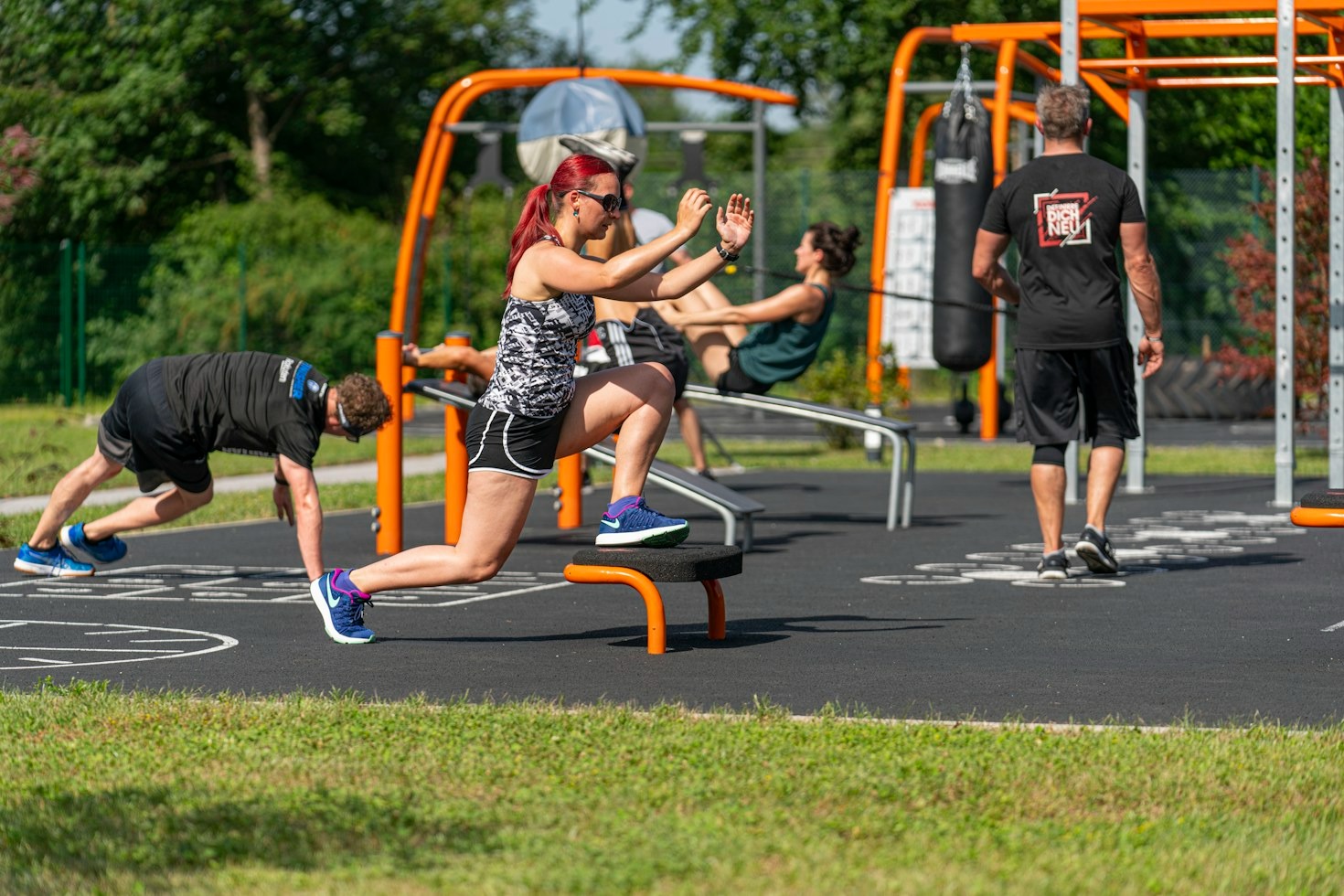
The National Council on Aging (NCOA) strongly advocates for and promotes evidence-based falls prevention programs as a critical strategy for older adults to maintain independence and well-being. These proven interventions significantly reduce the risk of falls, which are a leading cause of injury and disability among individuals aged 60 and over.
Understanding Evidence-Based Programs
Evidence-based programs are interventions rigorously tested and shown through scientific research to be effective in achieving their intended outcomes. For falls prevention, this means programs have demonstrated success in reducing fall rates, improving balance, and increasing strength.
The NCOA identifies and supports programs that meet these stringent criteria, ensuring older adults have access to reliable and impactful resources.
Key Components of Effective Programs
Effective falls prevention often involves a multi-faceted approach addressing various risk factors. Core components typically include structured exercise programs designed to improve balance, strength, and flexibility, particularly in the lower body.
Many programs also incorporate medication review to identify drugs that may increase fall risk, and home safety assessments to mitigate environmental hazards. Education on healthy lifestyle choices and proper footwear is also common.
Impact on Knees & Hips
Strengthening the muscles around the knees and hips is a fundamental aspect of most evidence-based falls prevention programs. Exercises often target quadriceps, hamstrings, glutes, and core muscles, which are crucial for stability and mobility.
By improving muscle strength and joint stability in these key areas, older adults can better maintain balance, react to unexpected shifts, and reduce the likelihood of a fall-related injury to these vulnerable joints.
Accessing NCOA-Recommended Programs
The NCOA provides resources and information to help older adults and caregivers locate approved falls prevention programs in their communities. These programs are often offered through senior centers, community health organizations, and hospitals.
Individuals interested in participating should visit the NCOA’s website or contact their local Area Agency on Aging for guidance on available options and enrollment procedures.
Engaging in an evidence-based falls prevention program is a proactive step towards a safer, more active, and independent life. The NCOA’s commitment ensures that older adults have access to the best available tools to prevent falls and maintain their quality of life.