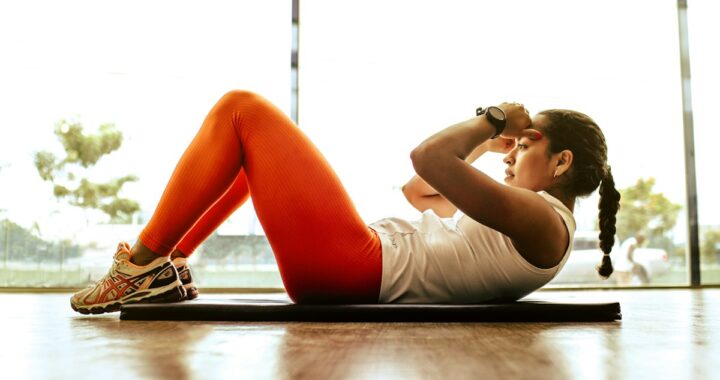
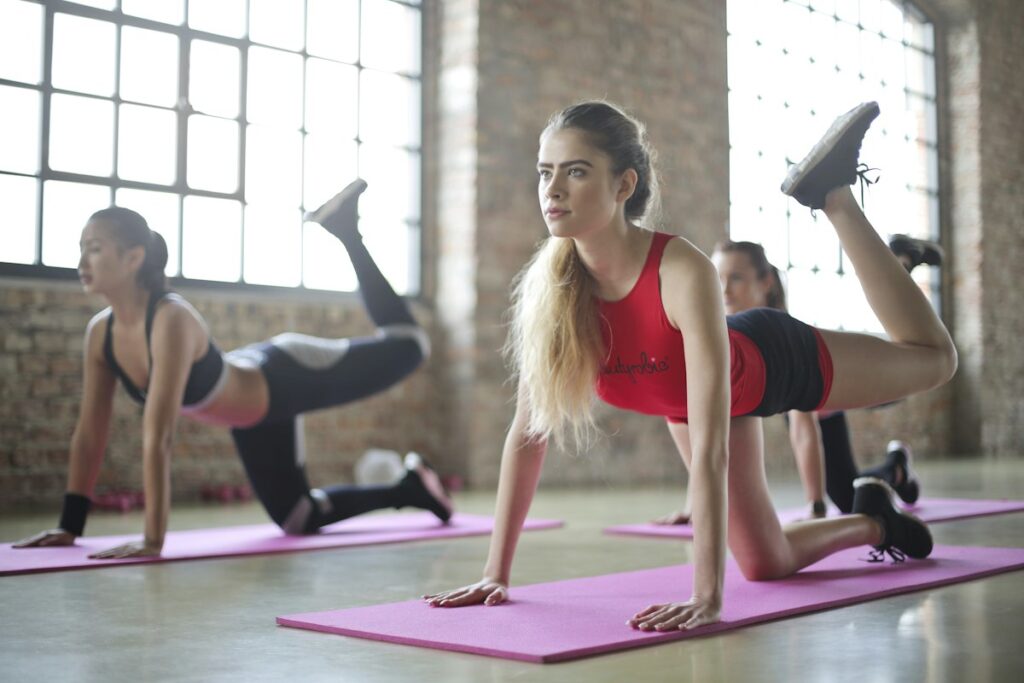
A targeted yoga practice is an indispensable tool for aging athletes aiming to continue strength training without experiencing pain. This specialized approach directly addresses age-related declines in flexibility, mobility, and joint health, enabling a sustained and effective lifting regimen.
Understanding Age-Related Challenges in Lifting
As individuals age, natural physiological changes can impede traditional strength training. Muscles tend to lose elasticity, connective tissues stiffen, and joint cartilage may degrade, all contributing to reduced range of motion and increased injury susceptibility.
These factors often lead to compensatory movements during lifts, placing undue stress on joints and increasing the risk of chronic pain or acute injury. Maintaining proper form becomes progressively more challenging without intentional intervention.
How Yoga Supports Pain-Free Lifting
Yoga offers a multifaceted solution by systematically improving flexibility, enhancing joint stability, and strengthening often-neglected stabilizing muscles. It cultivates a deeper mind-body connection, which is crucial for precise movement and injury prevention.
Regular practice can significantly increase the range of motion in key joints like hips, shoulders, and spine, directly benefiting compound lifts such as squats, deadlifts, and overhead presses. This improved mobility allows for safer and more effective execution of exercises.
Furthermore, yoga’s emphasis on core engagement and balance helps to stabilize the trunk, providing a solid foundation for all lifting movements. This reduces strain on the lower back and improves overall biomechanical efficiency.
Key Yoga Elements for Aging Lifters
Focus should be placed on poses that target areas critical for lifting mechanics. Hip-opening poses, such as Pigeon Pose or Bound Angle Pose, enhance lower body mobility essential for deep squats and lunges.
Spinal twists and gentle backbends improve spinal flexibility and posture, which are vital for deadlifts and overhead movements. Shoulder and chest openers, like Cow Face Arms or Eagle Arms, help maintain healthy shoulder girdle mobility, preventing impingement during presses.
Incorporating poses that lengthen hamstrings and hip flexors, such as Downward-Facing Dog or Seated Forward Fold, supports proper pelvic alignment and reduces lower back strain during heavy lifts.
Integrating Yoga into Your Routine
For optimal benefits, aging lifters should aim for two to three dedicated yoga sessions per week, ideally on rest days or as a separate practice from intense lifting. Even 15-20 minutes of targeted stretching and mobility work before or after a lifting session can be highly beneficial.
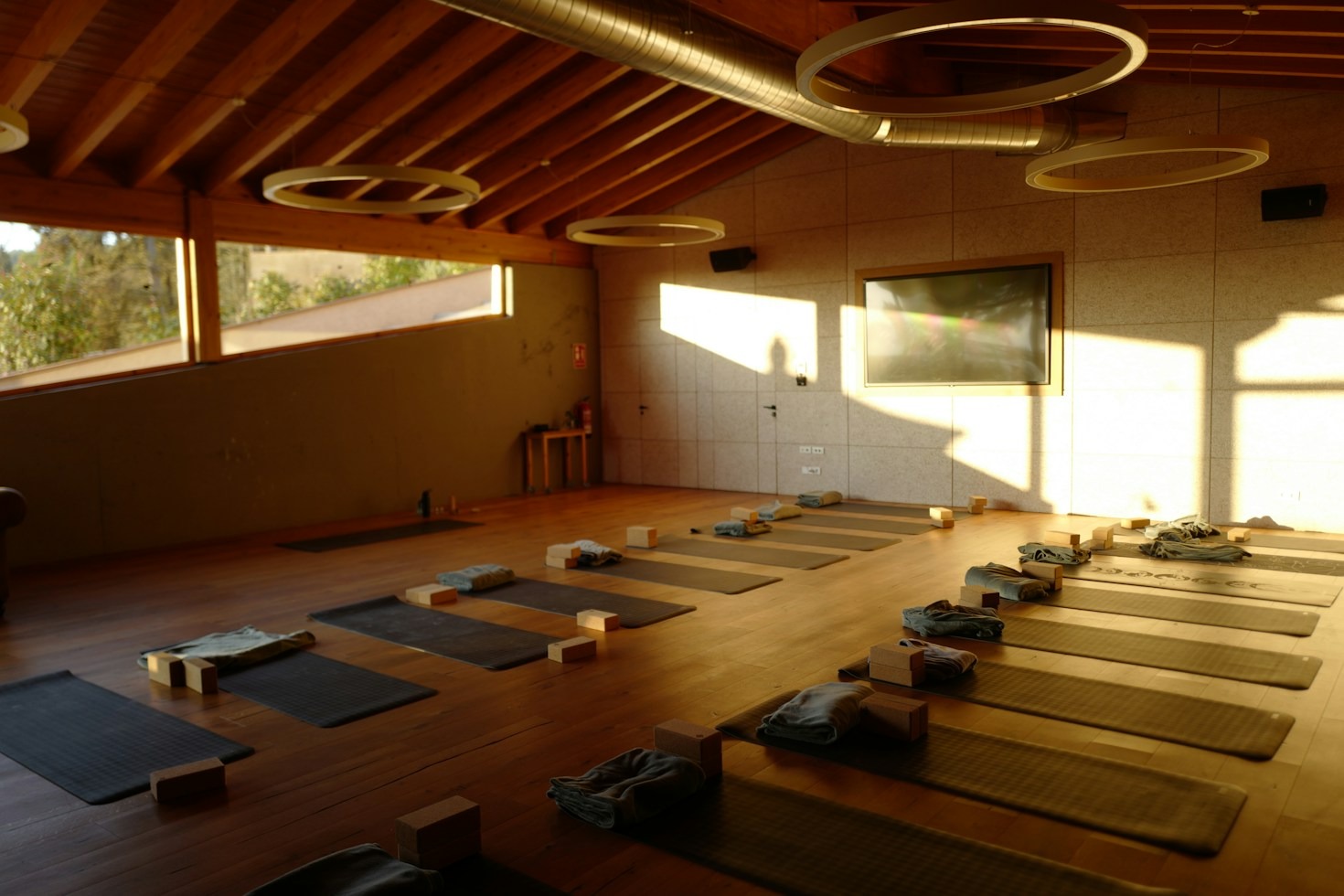
Listen carefully to your body, modifying poses as needed, and utilize props like blocks, straps, or blankets to support proper alignment and deepen stretches safely. Consulting with a qualified yoga instructor experienced in working with athletes or older adults is also advisable.
By consistently integrating a thoughtful yoga practice, aging athletes can mitigate common physical challenges, sustain their strength training journey, and continue lifting pain-free well into their later years.