Unlock Serenity: Dr. Adrian’s Simple Chair Yoga for Lasting Neck Pain Relief

Introduction: Do you find yourself constantly rubbing your neck, experiencing stiffness, or feeling that nagging ache that seems to radiate into your shoulders and head? You’re not alone. Neck pain is an incredibly common complaint, especially as we age, often exacerbated by hours spent at computers, looking down at devices, or simply the natural wear and tear of life. It can severely impact your quality of life, making simple tasks like driving, reading, or even sleeping a painful ordeal. But what if I told you there’s a gentle, accessible, and remarkably effective way to find relief right from the comfort of your chair? As Dr. Adrian, a senior fitness specialist, I’m here to guide you through a comprehensive chair yoga routine designed specifically to soothe your neck pain, restore flexibility, and bring a sense of calm back to your day.
The Science: Why This Happens
To truly address neck pain, it helps to understand its origins. Our neck, or cervical spine, is an intricate structure of seven small vertebrae, supported by a complex network of muscles, ligaments, and nerves. It’s designed for incredible mobility, allowing us to turn our heads in almost any direction. However, this flexibility also makes it vulnerable.
For many, neck pain stems from a combination of factors:
* **Poor Posture:** Often dubbed “tech neck,” constantly craning your head forward to look at screens or slumping in your chair puts tremendous strain on the neck muscles and ligaments. This forward head posture can increase the weight your neck has to support by several times.
* **Muscle Imbalances:** Overuse of certain muscles (like those that pull your shoulders forward) and underuse of others (like deep neck flexors) can lead to imbalances, tension, and pain.
* **Degenerative Changes:** As we age, conditions like osteoarthritis (wear and tear of cartilage), spinal stenosis (narrowing of the spinal canal), or disc degeneration can affect the cervical spine, leading to stiffness and discomfort.
* **Stress:** Chronic stress causes us to involuntarily tense our upper trapezius muscles (at the top of our shoulders and neck), leading to persistent knots and pain.
* **Lack of Movement:** Paradoxically, too little movement can cause stiffness. Our joints and muscles thrive on gentle movement to maintain circulation, lubricate joints, and flush out metabolic waste.
Chair yoga, with its focus on gentle movements, mindful breathing, and accessible postures, directly counters these issues. It helps to:
* **Improve Flexibility and Range of Motion:** Gentle stretches lengthen tight muscles and increase the mobility of the cervical spine.
* **Strengthen Supporting Muscles:** Engaging in controlled movements helps to build endurance in the deep neck flexors and scapular stabilizers, which are crucial for maintaining good posture.
* **Promote Circulation:** Movement brings fresh, oxygenated blood to the neck tissues, aiding in healing and reducing inflammation.
* **Reduce Tension:** The combination of slow, deliberate movements and deep breathing activates the parasympathetic nervous system, helping to release muscular tension from stress.
* **Encourage Mindful Awareness:** Chair yoga teaches you to listen to your body, identifying areas of tension and learning to release them, fostering a better relationship with your physical self.
The Routine: Step-by-Step Guide
Before we begin, find a stable chair without wheels, preferably one that allows your feet to be flat on the floor with your knees at a 90-degree angle. Sit tall, with your spine naturally elongated, shoulders relaxed down your back, and your head stacked directly over your shoulders. Remember to breathe deeply and gently throughout these movements.
* **1. Seated Mountain Pose (Tadasana): Establishing Your Foundation**
* Sit upright, feet flat on the floor, hip-width apart.
* Root your sit bones evenly into the chair.
* Gently lengthen your spine, imagining a string pulling the crown of your head towards the ceiling.
* Relax your shoulders down and back, away from your ears.
* Rest your hands comfortably on your thighs, palms down or up.
* Breathe deeply, noticing your posture and alignment. Hold for 5-10 breaths. This pose sets the stage for mindful movement.
* **2. Gentle Neck Tilts (Ear to Shoulder): Releasing Lateral Tension**
* From Seated Mountain Pose, keep your spine long and shoulders relaxed.
* As you exhale, slowly and gently drop your right ear towards your right shoulder. Avoid lifting your shoulder to meet your ear.
* Breathe here for 3-5 breaths, feeling a gentle stretch along the left side of your neck and shoulder.
* Inhale as you slowly bring your head back to center.
* Exhale and repeat on the left side, dropping your left ear towards your left shoulder.
* Complete 3-5 repetitions on each side.
* **3. Gentle Neck Rotations (Chin to Shoulder): Enhancing Rotational Mobility**
* Return to a neutral, upright head position.
* As you exhale, slowly turn your head to look over your right shoulder. Move only as far as comfortable, without straining. Keep your chin level, not tilting up or down.
* Hold for 3-5 breaths, feeling the stretch in the opposite side of your neck.
* Inhale as you slowly bring your head back to center.
* Exhale and repeat, turning your head to look over your left shoulder.
* Complete 3-5 repetitions on each side.
* **4. Chin Tucks: Correcting Forward Head Posture**
* Sit tall, eyes looking straight ahead.
* Gently draw your chin slightly back towards your throat, as if trying to make a double chin. You should feel a gentle lengthening at the back of your neck.
* Avoid tilting your head down. The movement is horizontal, bringing your head back over your shoulders.
* Hold for 3-5 seconds, then relax.
* Repeat 5-10 times. This is excellent for strengthening deep neck flexors and combating “tech neck.”
* **5. Shoulder Rolls & Shrugs: Releasing Upper Trapezius Tension**
* Still seated tall, let your arms hang loosely at your sides or rest your hands on your thighs.
* Inhale deeply as you shrug both shoulders up towards your ears, really scrunching them high.
* Exhale slowly, rolling your shoulders down and back, imagining them melting away from your ears and sliding down your back.
* Repeat this circular motion 5-7 times forward, then reverse the direction, rolling shoulders back and then forward 5-7 times. This movement is fantastic for releasing tension held in the upper back and neck.
* **6. Gentle Neck Extension (Subtle Gaze Upwards): Light Spinal Release**
* From a neutral seated position, gently lift your gaze slightly towards the ceiling, allowing a very subtle, gentle arch in your upper neck.
* Do not drop your head back forcefully; this is a very small, controlled movement. Imagine lengthening the front of your neck.
* Hold for 3-5 breaths, then slowly return your gaze to neutral.
* Repeat 3-5 times. This helps balance the forward flexion we often experience.
Dr. Adrian’s Pro Tip 💡
Rather than striving for the deepest stretch, focus on the *journey* of the stretch and the sensation of release throughout the entire movement. Imagine that with each slow, controlled exhale, you are actively softening and releasing tension from the base of your skull, down the sides of your neck, and into your shoulders. Don’t just hold the stretch; *breathe into it*. Think of your breath as a gentle internal massage, creating space and easing tightness from within. This mindful approach can be profoundly more effective than simply pushing to a point of discomfort.
Common Mistakes to Avoid
To ensure your practice is safe and beneficial, steer clear of these common pitfalls:
* **Forcing the Stretch:** Never push into pain. If you feel a sharp, stabbing, or intense discomfort, ease off immediately or stop the movement. Pain is your body’s way of signaling that something is wrong.
* **Holding Your Breath:** Breath is integral to yoga. Holding your breath increases tension. Remember to breathe deeply and smoothly throughout each movement.
* **Moving Too Quickly:** These are not ballistic stretches. Every movement should be slow, controlled, and deliberate to allow your muscles to gently lengthen and release.
* **Archiving Your Lower Back:** While sitting tall is good, avoid overly arching your lower back, which can create compensatory tension in the upper back and neck. Maintain your spine’s natural curves.
* **Ignoring Your Body’s Signals:** Listen to your body each day. Some days you might have more range of motion, others less. Respect where your body is on any given day.
Frequently Asked Questions
* **How often should I do this chair yoga routine?**
For optimal results, I recommend performing this routine daily, or at least 3-5 times a week. Even a few minutes can make a significant difference. You can also break it up and do a few movements periodically throughout your day, especially if you spend a lot of time sitting.
* **Can chair yoga help with tension headaches?**
Absolutely! Many headaches, especially those that manifest at the base of the skull or behind the eyes, are tension headaches caused by tight muscles in the neck and upper back. By releasing this tension through chair yoga, you can often find significant relief.
* **What if I feel a sharp pain during a movement?**
Stop immediately. Sharp pain is a warning sign. Do not push through it. Consult with your doctor or a physical therapist to identify the underlying cause of the pain before resuming the exercise.
* **Is this routine suitable for everyone?**
This routine is designed to be gentle and accessible for most seniors. However, if you have a pre-existing medical condition, a recent injury, osteoporosis, or severe cervical spine issues, it’s always best to consult with your doctor or a physical therapist before starting any new exercise program.
* **Can I do this at my desk?**
Yes! This routine is perfectly suited for quick breaks at your desk. It’s a fantastic way to counteract the effects of prolonged sitting and screen time, preventing tension from building up throughout the day.
Conclusion
Neck pain doesn’t have to be an inevitable part of aging. By incorporating this simple, gentle chair yoga routine into your daily life, you’re not just stretching muscles; you’re investing in your comfort, your mobility, and your overall well-being. Remember, consistency is key, and every small, mindful movement contributes to a greater sense of ease and freedom. Embrace these gentle practices, listen to your body, and reclaim a life with less tension and more serenity.
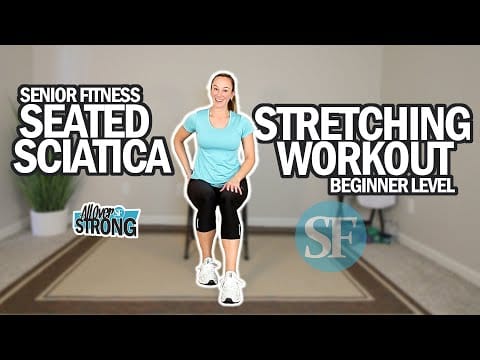
Ready to explore more ways to enhance your fitness and well-being from the comfort of your home? Join our vibrant community! We offer a wide range of gentle, effective workouts like our “Seated Sciatica Stretching Workout For Seniors | Beginner Level | 12Min.” Visit Us Online at SeniorFitnessWithMeredith.com to discover more resources tailored for you. And don’t forget to Sign Up for our Newsletter to receive exclusive tips, routines, and updates directly to your inbox. Let’s move well, live well, together.
Watch the Routine in Action
Follow along with this video to ensure you are using the correct form.
Related Articles You Might Find Useful
- Reclaim Your Stride: Gentle Bed Exercises for Stronger Legs After Illness
- Unlock Your Hands: Gentle Exercises to Soothe Stiff Fingers and Hands Arthritis Pain
- Reclaim Your Confidence: Safe Balance Exercises for a Fall-Free Life

One Comment