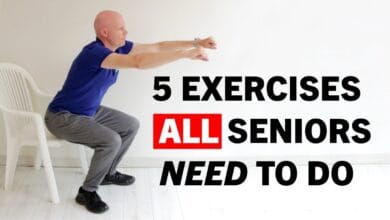
Unlock Ageless Mobility: 10-Min Routine for Joint Health & Balance

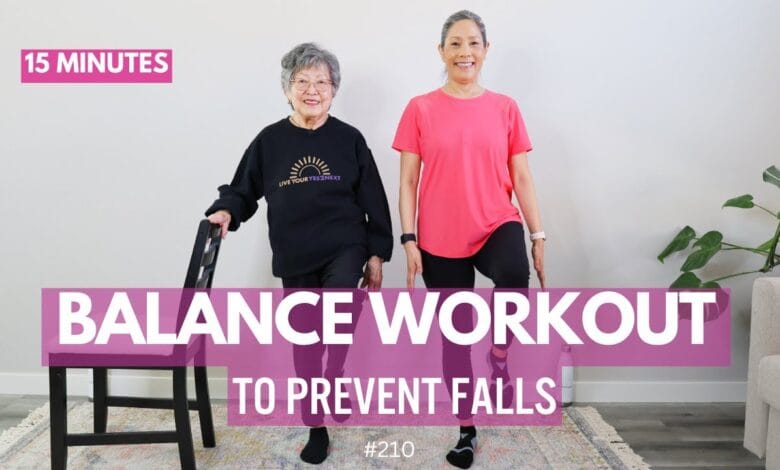
Unlock Ageless Mobility: 10-Min Routine for Joint Health & Balance
Feeling that familiar stiffness when you wake up, or a flicker of anxiety about losing your footing? It’s a natural concern as we age, but it doesn’t have to define your later years. For seniors over 50, maintaining robust balance and strong, healthy joints is absolutely paramount for **fall prevention** and preserving your precious **independent living**. The good news is, a simple, consistent routine can dramatically improve your stability, strengthen the muscles that support your joints, and empower you to move with confidence and grace.
The Science Behind Pain-Free Mobility and Fall Prevention
Our bodies are incredible machines, designed for movement. As we mature, however, factors like reduced muscle mass (sarcopenia), decreased bone density, and changes in proprioception (our body’s sense of position in space) can compromise our stability and joint integrity. This 10-minute routine is meticulously designed to counteract these effects by targeting key muscle groups – your glutes, hamstrings, calves, back, and core – which act as your body’s natural shock absorbers and stabilizers. By consistently engaging these muscles, you’re not just building strength; you’re actively enhancing neuromuscular pathways, improving joint lubrication through movement, and reinforcing the stability around your knees, hips, and ankles. This integrated approach is essential for long-term **joint maintenance**, drastically reducing your risk of falls, and ensuring you can continue to enjoy an active, **independent living** lifestyle with less pain and more confidence.
Your Empowering 10-Minute Daily Joint Health & Balance Routine
Consistency is your superpower here. Aim for this routine daily, or at least twice a week, to truly reap the benefits. Remember, listen to your body, move with intention, and always have a sturdy support nearby – a countertop, chair, or wall – especially as you begin. Consider doing these exercises in bare feet or socks to maximize sensory feedback from the ground, further engaging your foot and ankle stabilizers.
-
Standing on One Leg: The Foundation of Balance
This exercise is a cornerstone for improving dynamic and static balance, directly challenging your proprioceptors and strengthening the small, stabilizing muscles around your ankles and hips. Start by holding onto your support, shifting your weight to one foot, and gently lifting the other. Focus on keeping your standing knee soft and your core engaged. *Expert Tip:* Gradually reduce your reliance on support. Once comfortable, try briefly lifting your hands, or even closing your eyes for a few seconds (only if safe and with support very close) to further challenge your balance system. Aim to hold for 15-30 seconds per leg. This builds the foundational strength needed to react quickly to uneven surfaces or unexpected bumps, significantly aiding **fall prevention**. -
3-Way Leg Lifts: Building Hip Power and Stability
Strong hips are vital for protecting your knees and back, and for maintaining overall gait stability. From a standing position with support, lift one leg straight forward, then out to the side, and finally straight back (or a small controlled backward kick). Each movement should be slow and controlled, engaging your glutes and outer thigh muscles. *Expert Tip:* Avoid swinging your leg; focus on muscle activation. Keep your standing leg slightly bent and your torso upright, preventing any arching in your lower back. This comprehensive hip strengthening directly translates to more confident walking and better **joint maintenance** for your lower body. -
Slow Marches: Enhancing Coordination and Gait Efficiency
More than just lifting your knees, slow marches are about mindful coordination and strengthening your hip flexors and core, crucial for a smooth, stable walking pattern. Stand tall, gently lifting one knee towards your chest, then slowly lowering it with control before repeating on the other side. Focus on a deliberate, rhythmic pace. *Expert Tip:* Add a gentle arm swing, opposite to your lifted leg, to mimic a natural walking stride and improve full-body coordination. Imagine you’re marching through water, requiring more effort and control. This exercise refines your gait, making every step you take more secure and purposeful, a key component of **independent living**. -
Side Steps: Lateral Stability for Real-World Challenges
Life doesn’t just happen forwards and backwards; navigating around obstacles or stepping sideways is a common movement that requires strong lateral stability. With support if needed, take small, controlled steps to the side, keeping your hips level and engaging your outer thigh and glute muscles. Bring your feet together with each step. *Expert Tip:* Don’t let your knees collapse inward. Focus on pushing off with the trailing leg and landing softly with the lead leg. Practicing lateral movements builds crucial strength for preventing trips and falls when unexpected sideways motion is required, directly contributing to **fall prevention**. -
Heel Raises: Powering Your Calves and Ankle Stability
Your calf muscles are unsung heroes for balance, propulsion during walking, and supporting your ankle joints. Stand tall, holding onto support, and slowly lift up onto the balls of your feet, then gently lower your heels back down. Focus on a full range of motion. *Expert Tip:* Ensure you’re lifting straight up, not leaning forward or backward. For an added challenge, try holding the top position for a count of two, or performing single-leg heel raises (with support). Strong calves provide crucial ankle stability, improve your push-off when walking, and help absorb impact, protecting your knees and hips for long-term **joint maintenance**.
Remember, every small step you take towards strengthening your body is a giant leap for your independence and well-being. This isn’t just about exercise; it’s about investing in your future self – a self who moves freely, confidently, and joyfully. Start today, take it slow, celebrate every small victory, and embrace the journey toward a more mobile, resilient you.
Watch the Full Routine Here
Source: Original content expanded from YouTube video: How to Improve Balance | Senior Exercises for Balance