Unleash Your Vertical Power: Dr. Adrian’s Guide to Banishing the Hunch and Reclaiming Your Stride

“`html
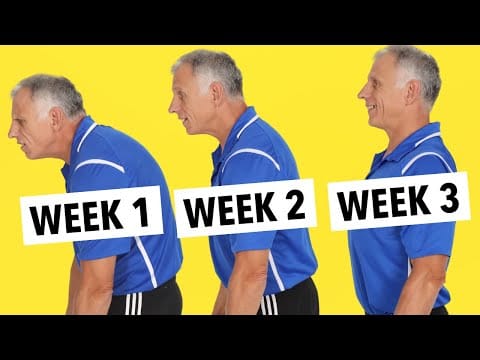
Introduction: Do you ever catch a glimpse of yourself in a storefront window and notice a slight rounding in your upper back? Or perhaps you feel that familiar ache between your shoulder blades after a long day? You’re not alone. In our modern world, the battle against the hunch is real. From endless hours at a desk to the ever-present smartphone in our hands, gravity and habit conspire to pull us forward. But here’s the empowering truth: this isn’t an inevitable fate. As Dr. Adrian, a senior fitness specialist, I’m here to tell you that you possess the power to stand taller, move more freely, and radiate confidence. With targeted exercises and a sprinkle of mindful awareness, we can reverse the trend and help you rediscover the joy of an upright, pain-free posture.
The Science: Why This Happens
Our bodies are remarkably adaptable, but sometimes that adaptability works against us. The primary culprit behind poor posture, often manifesting as a forward head and rounded shoulders (kyphosis or “hunching”), is a complex interplay of lifestyle factors and muscle imbalances:
- Sedentary Lifestyles: Prolonged sitting, especially at computers, shortens the muscles in the front of our chest (pectorals) and often weakens the muscles in our upper back (rhomboids, trapezius).
- Technology Overload: The “tech neck” phenomenon is real. Constantly looking down at phones or tablets strains the neck muscles and encourages the head to jut forward, increasing the load on your spine.
- Muscle Imbalances: This is key. When some muscles are consistently tight (like your chest and front of your shoulders) and their opposing muscles are consistently weak and stretched (like your upper back and neck extensors), your body literally gets pulled into a slouched position.
- Gravitational Pull: Over time, gravity exerts a constant downward force. If your core isn’t engaged and your postural muscles aren’t strong, gravity will win, gradually pulling your frame into a more rounded position.
- Habit Formation: Once a slouched posture becomes your default, your brain begins to perceive it as normal, making it harder to consciously correct without consistent effort.
Understanding this “why” is the first step towards taking control. Now, let’s empower you with the “how.”
The Routine: Step-by-Step Guide
This routine focuses on strengthening your back and core, stretching your chest, and improving spinal mobility. Remember, consistency is your greatest ally. Perform these exercises 3-5 times a week, listening to your body, and prioritizing proper form over speed or intensity.
- Chin Tucks:
- Why it helps: Addresses forward head posture and strengthens deep neck flexors.
- How to perform: Sit or stand tall. Gently draw your chin straight back, as if making a double chin, keeping your gaze level. You should feel a stretch at the back of your neck and activation in the front. Hold for 5 seconds.
- Repetitions: 10-15 repetitions.
- Doorway Chest Stretch:
- Why it helps: Opens up tight chest muscles that pull your shoulders forward.
- How to perform: Stand in a doorway with one arm (or both) bent at a 90-degree angle, forearms resting against the doorframe. Step gently forward with one foot until you feel a comfortable stretch across your chest and the front of your shoulder. Keep your shoulders relaxed and down.
- Repetitions: Hold for 30 seconds, 2-3 times per side.
- Scapular Squeezes (Rhomboid Squeeze):
- Why it helps: Strengthens the muscles between your shoulder blades, crucial for pulling your shoulders back and down.
- How to perform: Sit or stand tall, shoulders relaxed. Imagine holding a pencil between your shoulder blades. Gently squeeze your shoulder blades together and slightly down, holding the contraction for 2-3 seconds. Avoid shrugging your shoulders up towards your ears.
- Repetitions: 12-15 repetitions.
- Thoracic Extension over Foam Roller (or Rolled Towel):
- Why it helps: Improves flexibility in the upper and middle back (thoracic spine), counteracting rounding.
- How to perform: Lie on your back with a foam roller or a tightly rolled towel positioned perpendicular to your spine, just below your shoulder blades. Support your head with your hands. Slowly lower your head towards the floor, allowing your upper back to gently extend over the roller. Take a few deep breaths. You can gently roll up and down a few inches to target different segments.
- Repetitions: Spend 30-60 seconds, or 5-10 gentle extensions.
- Wall Angels:
- Why it helps: Combines chest stretching with upper back strengthening and improves shoulder mobility.
- How to perform: Stand with your back flat against a wall, feet about 6-12 inches away from the wall. Press your head, shoulders, and lower back into the wall. Bring your arms up in a “goalpost” position (elbows bent at 90 degrees, upper arms parallel to the floor), trying to keep your forearms and hands against the wall. Slowly slide your arms up the wall, then back down, mimicking a snow angel, keeping as much contact with the wall as possible.
- Repetitions: 8-12 repetitions.
- Cat-Cow Stretch:
- Why it helps: Promotes spinal mobility and flexibility throughout the entire spine.
- How to perform: Start on your hands and knees, wrists under shoulders, knees under hips. As you inhale, arch your back, drop your belly towards the floor, and lift your gaze (Cow pose). As you exhale, round your spine towards the ceiling, tuck your chin to your chest, and let your head relax (Cat pose).
- Repetitions: 10-15 fluid cycles.
Dr. Adrian’s Pro Tip 💡
My unique expert advice? Integrate “Micro-Breaks and Mindful Re-alignment” throughout your day. It’s not enough to do exercises once a day; your posture is a 24/7 habit. Every hour, take 60 seconds to step away from your screen or task. Do 3-5 quick chin tucks, a couple of scapular squeezes, or a gentle doorway stretch if available. Most importantly, simply stand or sit tall, take a deep breath, and consciously reset your posture: shoulders back and down, head aligned over your spine, core gently engaged. This constant, gentle reminder helps retrain your muscles and your brain, making good posture your new default, without needing a full workout.
Common Mistakes to Avoid
Even with the best intentions, certain pitfalls can hinder your progress or even cause discomfort:
- Ignoring Pain: “No pain, no gain” does not apply to posture correction. If an exercise causes sharp pain, stop immediately. Mild discomfort or muscle fatigue is normal, but pain is a warning sign.
- Rushing Through Movements: Quality over quantity. Slow, controlled movements ensure you’re engaging the correct muscles and avoiding momentum, which can lead to injury.
- Overcompensating: Trying to force an unnaturally stiff “military posture” can be just as detrimental as slouching. Aim for a relaxed, upright alignment, not an exaggerated arch.
- Holding Your Breath: Remember to breathe deeply and consistently throughout each exercise. Holding your breath can create unnecessary tension.
- Neglecting Consistency: Posture correction is a marathon, not a sprint. Sporadic efforts won’t yield lasting results. Make these exercises a regular, integrated part of your week.
- Focusing Only on Exercises: Remember Dr. Adrian’s Pro Tip! Your daily habits (how you sit, stand, walk, and sleep) are just as important as your targeted exercises.
Frequently Asked Questions
Q: How long until I see results?
A: While you might feel subtle improvements in comfort and awareness within a week or two, noticeable changes in your physical posture typically take 4-8 weeks of consistent effort. Long-term, sustainable improvement can take several months as your muscles strengthen and new habits solidify. Be patient and persistent!
Q: Can I do these exercises if I have chronic back or neck pain?
A: Many of these exercises are gentle and designed to alleviate common causes of back and neck pain. However, if you have chronic or severe pain, or a diagnosed spinal condition, always consult with your physician or a physical therapist before starting any new exercise program. They can provide personalized modifications or recommend alternative movements that are safe for your specific condition.
Q: Do I need special equipment for these exercises?
A: Most of the exercises in this routine can be done with your own body weight and minimal equipment. A foam roller is highly recommended for thoracic extension, but a tightly rolled towel can serve as a good substitute. A doorway is also utilized, which is readily available in most homes. The goal is accessibility!
Q: How often should I perform this routine?
A: For best results, aim to perform this routine 3-5 times per week. On days you don’t do the full routine, remember Dr. Adrian’s Micro-Breaks and Mindful Re-alignment to keep your postural muscles engaged and your awareness high. Consistency truly is the secret ingredient.
Q: What if I find it difficult to maintain good posture throughout the day?
A: This is very common! It takes conscious effort and time to retrain your body. Start by setting gentle reminders – perhaps an alarm on your phone every hour to check your posture, or placing sticky notes around your workspace. Gradually, as your muscles get stronger and your proprioception (body awareness) improves, maintaining good posture will become more automatic.
Conclusion
Reclaiming an upright, confident posture is more than just an aesthetic goal; it’s a profound investment in your overall health and well-being. By strengthening your core and back, opening your chest, and incorporating mindful awareness into your daily life, you’ll not only banish the hunch but also alleviate discomfort, improve breathing, boost your energy, and project an undeniable sense of vitality. Remember, your body is designed to move beautifully and stand tall. With this comprehensive guide and my encouragement, you have everything you need to embark on this transformative journey. Stand proud, move freely, and embrace the power of good posture. You’ve got this!
“`
Watch the Routine in Action
Follow along with this video to ensure you are using the correct form.
Related Articles You Might Find Useful
- Straighten Up! Reclaim Your Confidence and Health with Dr. Adrian’s Posture Power-Up
- Unlock Pain-Free Knees: Dr. Adrian’s Safe Seated Strengthening Guide
- Wake Up & Thrive: Your Morning Stretch Guide for Senior Lower Back Pain Relief