Introduction: Are stiff, achy knees holding you back from the invigorating feeling of a good cardio workout? Do you long to move freely, boost your energy, and support your heart health, but fear that any impact will only worsen your knee pain? You are not alone. Many seniors grapple with knee discomfort, from mild stiffness to chronic conditions like osteoarthritis, which can make traditional cardio feel like an impossible dream. But here’s the empowering truth: you *can* enjoy effective, pain-free cardio that not only protects your knees but actively helps them feel better. As Dr. Adrian, a senior fitness specialist, I’m here to guide you toward a world where your knees are supported, not stressed, allowing you to reclaim your vitality with gentle, yet powerful, cardio.
The Science: Why This Happens & How Gentle Cardio Helps
To understand why gentle cardio is your ally, let’s first look at why your knees might be protesting. Conditions like osteoarthritis, where the protective cartilage cushioning your joints wears down, or previous injuries like meniscus tears, can make high-impact activities excruciating. The jarring forces from running, jumping, or even brisk walking can exacerbate inflammation, increase pain, and potentially accelerate joint degradation. It’s a natural instinct to protect a painful joint by limiting movement, but paradoxically, inactivity can make things worse.
This is where gentle cardio steps in as a game-changer. Low-impact, controlled movement doesn’t pound on your joints; instead, it offers a cascade of benefits:
- Nourishes Cartilage: Movement helps circulate synovial fluid, the natural lubricant of your joints. This fluid carries vital nutrients to your cartilage and removes waste products, which is crucial for joint health, especially when cartilage is compromised.
- Strengthens Supporting Muscles: Gentle cardio, particularly when combined with targeted strengthening (as we often discuss with seated knee exercises), builds the muscles surrounding your knees. Stronger quadriceps, hamstrings, and glutes act as shock absorbers, reducing the load on the joint itself.
- Improves Joint Mobility and Flexibility: Regular, gentle movement prevents stiffness and maintains your knee’s natural range of motion, making everyday activities easier.
- Reduces Inflammation and Pain: While intense exercise can inflame, gentle movement can actually help reduce inflammation by improving circulation and releasing endorphins – your body’s natural pain relievers.
- Boosts Cardiovascular Health: Even without high impact, gentle cardio elevates your heart rate, strengthening your cardiovascular system, improving endurance, and helping manage blood pressure and cholesterol.
- Supports Weight Management: Maintaining a healthy weight significantly reduces the stress on your knee joints, making even small amounts of movement highly beneficial.
- Enhances Mood and Cognitive Function: Physical activity is a powerful antidote to stress, anxiety, and mild depression, while also supporting brain health.
By choosing movements that respect your knees, you’re not just getting a workout; you’re investing in a holistic healing and strengthening process.
The Routine: Step-by-Step Guide to Gentle Cardio
Ready to move without fear? Here’s a gentle cardio routine designed to get your heart pumping and your body flowing, all while protecting your precious knees. Aim for 20-30 minutes, 3-5 times a week, listening intently to your body.
-
Warm-Up (5 minutes):
- Seated Arm Circles: Sit tall, feet flat. Extend arms out to the sides. Make small circles forward for 30 seconds, then backward for 30 seconds. Gradually increase circle size. This warms up your upper body and gets blood flowing.
- Seated Knee Extensions: Sit tall, feet flat. Gently extend one leg straight out, flexing your quad, then slowly lower. Alternate legs. Do 10-12 repetitions per leg. This primes the knee joint and surrounding muscles.
- Ankle Pumps: Lift your toes towards your shins, then point them away. Do 15-20 repetitions. Great for circulation in the lower legs.
-
Main Cardio Session (15-20 minutes): Choose 2-3 activities and perform them for 5-7 minutes each, or alternate between them.
- Recumbent Stationary Bike:
- How: Sit comfortably on a recumbent bike (where your feet are out in front of you, back supported). Start with very low resistance.
- Why it helps: The reclined position and supportive seat reduce stress on your back and knees. The smooth, circular motion is non-weight bearing and excellent for improving knee range of motion and strengthening surrounding muscles without impact.
- Tip: Keep your resistance light. Focus on smooth, continuous pedaling.
- Water Walking or Aqua Aerobics:
- How: In a pool, walk across the shallow end, focusing on a natural gait. For aqua aerobics, follow a class or perform marching, knee lifts, and arm movements in the water.
- Why it helps: The buoyancy of water significantly reduces the load on your joints, often allowing movements that would be painful on land. The water also provides gentle resistance, building strength and endurance.
- Tip: Start in waist-deep water. Focus on controlled movements, not speed.
- Chair Aerobics/Seated Marching:
- How: Sit upright in a sturdy chair with your feet flat. Lift one knee towards your chest, then lower, alternating legs as if marching in place. Add arm movements (e.g., pumping arms like running, or chest presses).
- Why it helps: This is a fantastic zero-impact option. It elevates your heart rate, works your core, and improves circulation, all from a stable, seated position.
- Tip: Engage your core and maintain good posture. Vary your arm movements to increase intensity.
- Elliptical Trainer (Low Resistance):
- How: If available, an elliptical offers a low-impact alternative to a treadmill. Start with very low resistance and a slow pace. Ensure your feet remain flat on the pedals throughout the stride.
- Why it helps: The gliding motion mimics walking or running but without the harsh impact. It provides a full-body workout without stressing the knees.
- Tip: Avoid high resistance or steep inclines initially. Focus on a fluid motion and don’t lean heavily on the handles.
- Gentle Outdoor Walking (with aids if needed):
- How: On a flat, even surface, walk at a comfortable pace. Use trekking poles or a walker if you need extra stability. Start with short distances (5-10 minutes) and gradually increase.
- Why it helps: Walking is fundamental. If your knees allow, even short, gentle walks can improve joint lubrication, strengthen muscles, and provide mental health benefits.
- Tip: Wear supportive, cushioned shoes. Listen to your body and stop immediately if pain increases. Consider breaking longer walks into two shorter segments.
- Recumbent Stationary Bike:
-
Cool-Down (5 minutes):
- Gentle Hamstring Stretch (Seated): Sit on the edge of your chair, extend one leg forward with the heel on the floor, toes pointing up. Hinge forward slightly from your hips until you feel a gentle stretch in the back of your thigh. Hold 20-30 seconds per leg.
- Quad Stretch (Seated/Standing with Support): If seated, hold the back of your thigh and gently pull your heel towards your glutes (if comfortable). If standing, hold onto a sturdy object for support, grab your ankle, and gently pull your heel towards your glutes. Hold 20-30 seconds per leg.
- Deep Breathing: Sit comfortably, close your eyes (if safe), and take 5 slow, deep breaths, inhaling through your nose and exhaling slowly through your mouth. This calms your nervous system and aids recovery.
Dr. Adrian’s Pro Tip 💡
Remember, consistency trumps intensity, especially when managing knee pain. My unique advice? Embrace the “Warm-Up Effect” and “Listen to the Whisper, Not the Shout.” Often, the first few minutes of movement might feel a bit stiff or even slightly uncomfortable. This is the “warm-up effect” – your synovial fluid mobilizing. Don’t immediately label this as “pain.” Move gently through it, and often, after 5-10 minutes, the discomfort lessens. However, differentiate this from *increasing* or *sharp* pain. That’s the “shout” you must heed immediately. Pay attention to the *whispers* of your body – subtle stiffness, mild pressure – and adjust your intensity or range of motion accordingly. Don’t wait for the pain to become a scream. By proactively tuning into these subtle signals, you can often prevent pain flare-ups and maintain your active routine safely and effectively.
Common Mistakes to Avoid
Even with the best intentions, some pitfalls can hinder your progress and potentially worsen knee pain:
- Ignoring Pain: This is the cardinal sin. “No pain, no gain” does *not* apply here. Sharp, shooting, or increasing pain is your body’s alarm system – stop immediately.
- Pushing Too Hard, Too Soon: Enthusiasm is great, but overdoing it can lead to injury or flare-ups. Start slow, at a comfortable pace, and gradually increase duration or intensity.
- Skipping Warm-Up and Cool-Down: These aren’t optional; they prepare your joints for activity and aid in recovery, reducing stiffness and soreness.
- Improper Form: Incorrect posture or movement patterns can place undue stress on your knees. If unsure, consider a session with a qualified fitness professional.
- Wearing Unsupportive Footwear: Old, worn-out shoes lack cushioning and stability, directly impacting your knee health. Invest in good, supportive athletic shoes.
- Lack of Consistency: Sporadic workouts won’t yield lasting benefits. Aim for regularity, even if it means shorter sessions on some days.
- Not Staying Hydrated: Water is essential for joint lubrication and overall bodily function. Drink plenty of water before, during, and after your workouts.
- Neglecting Strength Training: While this post focuses on cardio, remember that strength exercises for the muscles around your knees are crucial for stability and pain reduction. Combine gentle cardio with targeted strengthening routines.
Frequently Asked Questions
Q: How often should I do gentle cardio?
A: Aim for 3-5 times a week, for 20-30 minutes each session. Listen to your body; if you’re sore, take a rest day or opt for a lighter activity.
Q: What if I feel pain during an exercise?
A: Stop immediately. Rest, apply ice if needed, and assess. If the pain persists or is sharp, consult your doctor or physical therapist before continuing.
Q: Can cardio actually help my knee pain long-term?
A: Absolutely! Regular, gentle cardio improves blood flow, strengthens supporting muscles, enhances joint lubrication, and can significantly reduce chronic knee pain over time, improving function and quality of life.
Q: Do I need special equipment?
A: Not necessarily. Chair aerobics, water walking, and gentle outdoor walking require minimal to no equipment. If you have access, a recumbent bike or elliptical are excellent investments, but not mandatory to start.
Q: Is walking okay if I have bad knees?
A: For many, yes, if done gently and with proper form on flat surfaces. Start with short durations (5-10 minutes) and gradually increase. If walking causes sharp or increasing pain, opt for non-weight-bearing activities like cycling or water exercise.
Conclusion
Your knees are not a barrier to an active, fulfilling life; they are a vital part of it, and with the right approach, they can be strong and resilient. Gentle cardio for seniors with bad knees isn’t just about managing pain; it’s about reclaiming your independence, boosting your energy, and celebrating the incredible power of your body to heal and adapt. As Dr. Adrian, I want to empower you to move with confidence and joy. Start today, one gentle step, pedal, or splash at a time, and rediscover the profound benefits of movement for your heart, your mind, and your happy, healthier knees. Your journey to pain-free movement begins now.
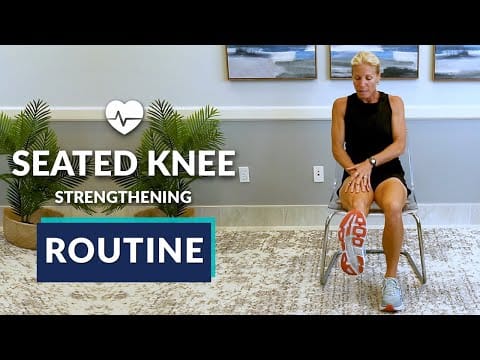
Watch the Routine in Action
Follow along with this video to ensure you are using the correct form.
Related Articles You Might Find Useful
- Unleash Your Vertical Power: Dr. Adrian’s Guide to Banishing the Hunch and Reclaiming Your Stride
- Straighten Up! Reclaim Your Confidence and Health with Dr. Adrian’s Posture Power-Up
- Unlock Pain-Free Knees: Dr. Adrian’s Safe Seated Strengthening Guide