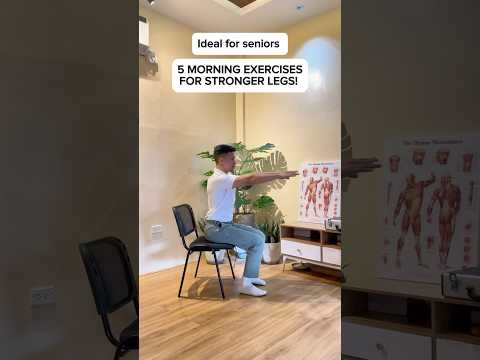
Introduction: Recovering from an illness can leave you feeling drained, and perhaps one of the most frustrating lingering effects is the weakness in your legs. Simple tasks like walking to the kitchen or standing for a few minutes can suddenly feel monumental. It’s a common experience, and I want you to know you’re not alone in this journey. As Dr. Adrian, a senior fitness specialist, I understand the delicate balance of needing to move and feeling too weak or unstable to do so. The good news? You don’t need to leave your bed to start rebuilding that vital leg strength. This comprehensive guide offers a safe, effective routine to help you gently and confidently reclaim your mobility, right from the comfort of your mattress.
The Science: Why This Happens
When you’re ill, especially if it involves extended bed rest or reduced activity, your body undergoes a process called deconditioning. For your leg muscles, this means:
- Muscle Atrophy: Use it or lose it, as the saying goes. Muscles, particularly those in your legs (quadriceps, hamstrings, glutes, calves), begin to shrink and weaken surprisingly quickly when not regularly challenged. This can happen within just a few days of inactivity.
- Nervous System Disengagement: Your brain’s connection to your muscles can become less efficient. The signals telling your muscles to contract forcefully or quickly are not as sharp, contributing to a feeling of sluggishness and weakness.
- Reduced Cardiovascular Fitness: Even leg muscles rely on a healthy supply of oxygen and nutrients delivered by your cardiovascular system. Illness can diminish your heart and lung capacity, meaning your muscles tire more quickly during any activity.
- Balance Impairment: Weakness in the legs and core, coupled with reduced sensory input from your feet and ankles (proprioception), significantly impacts your balance, making you feel unsteady on your feet.
- Psychological Impact: Feeling weak can be disheartening and even anxiety-provoking, creating a mental barrier to movement that can be as challenging as the physical one. This routine aims to build confidence alongside strength.
The goal of bed exercises is to reverse this process gently, reactivating muscles, improving blood flow, and retraining your nervous system without the added challenge of gravity or the risk of falls.
The Routine: Step-by-Step Guide
Always listen to your body. Perform these exercises slowly and mindfully. If you feel any sharp pain, stop immediately. Aim for 5-10 repetitions of each exercise, or hold for 10-15 seconds, and repeat the circuit 1-2 times daily as energy allows. Start with fewer reps and sets if needed, and gradually increase.
- Ankle Pumps (Circulation & Calf Activation):
- How: Lie on your back with legs extended. Point your toes away from you, then flex your feet, pulling your toes back towards your shins. Alternate pointing and flexing smoothly.
- Focus: Gentle movement, improving circulation in your lower legs, and activating calf muscles.
- Ankle Circles (Mobility & Flexibility):
- How: With legs extended, slowly rotate your ankles in large, controlled circles – 5-10 times clockwise, then 5-10 times counter-clockwise. Repeat with the other foot.
- Focus: Enhancing ankle joint mobility and flexibility, crucial for stable walking.
- Knee Bends / Heel Slides (Quad & Hamstring Activation):
- How: Lie on your back, bend one knee and slide your heel up towards your glute, keeping your heel on the bed. Go as far as comfortable without lifting your back. Slowly slide your heel back down until your leg is extended. Repeat with the other leg.
- Focus: Gentle activation of the quadriceps and hamstrings, improving knee joint range of motion.
- Glute Squeezes (Gluteal Strength):
- How: Lie on your back with knees bent, feet flat on the bed. Gently squeeze your glutes together as if trying to hold a penny between your buttocks. Hold for 3-5 seconds, then relax slowly.
- Focus: Strengthening your gluteal muscles, which are vital for hip extension, standing, and walking.
- Straight Leg Raises (Modified) (Quad Strength):
- How: Lie on your back with one leg bent, foot flat on the bed. Keep the other leg straight and gentle contract your thigh muscle (quadricep). Slowly lift the straight leg a few inches off the bed, keeping the knee straight. Hold for 2-3 seconds, then slowly lower.
- Focus: Building strength in the quadriceps without putting stress on the knee. Only lift as high as comfortable, even an inch is beneficial.
- Side-Lying Leg Lifts (Hip Abductor Strength):
- How: Roll onto your side, legs extended and stacked. You can use a pillow for your head. Keeping your top leg straight and your hips stable (don’t roll your pelvis), slowly lift your top leg towards the ceiling a few inches. Hold briefly, then slowly lower. Repeat with the other side.
- Focus: Strengthening the hip abductors (outer thigh muscles), crucial for stability when standing and walking.
- Bridging (Beginner) (Glute & Core Integration):
- How: Lie on your back, knees bent, feet flat on the bed, hip-width apart. Gently engage your abdominal muscles and glutes. Slowly lift your hips a few inches off the bed, creating a straight line from your shoulders to your knees. Hold for 3-5 seconds, then slowly lower your hips back down.
- Focus: Activating glutes, hamstrings, and core. This is a foundational exercise for standing and walking.
Dr. Adrian’s Pro Tip 💡: The Power of Intentional Breathing and Mind-Muscle Connection
Many people rush through exercises, especially when feeling weak, often holding their breath. My unique tip for you is to *slow down* and integrate intentional breathing with a strong mind-muscle connection. As you initiate each movement, take a slow, deep inhale, allowing your belly to rise. As you perform the challenging part of the exercise (e.g., lifting the leg, squeezing the glutes), slowly exhale, consciously focusing your mind on the muscles you’re trying to activate. Visualize them engaging, growing stronger. This isn’t just about oxygen; it’s about neural repatterning. Deep, controlled breathing calms your nervous system, reduces perceived effort, and helps oxygenate your muscles. The mind-muscle connection ensures you’re activating the correct muscles more effectively, rather than just going through the motions. This mindful approach transforms a simple exercise into a powerful therapeutic tool for both body and mind.
Common Mistakes to Avoid
- Overdoing It Too Soon: The biggest mistake is trying to do too much, too fast. This can lead to exhaustion, injury, or setback in your recovery. Patience is key.
- Holding Your Breath: As mentioned in my Pro Tip, proper breathing is crucial. Holding your breath can raise blood pressure and limit oxygen to your muscles.
- Ignoring Pain: Differentiate between muscle fatigue (a gentle burning sensation) and sharp pain. Sharp pain is your body’s alarm system – stop the exercise immediately if you feel it.
- Lack of Consistency: Short, regular sessions are far more effective than sporadic, intense workouts. Aim for daily, even if it’s just a few minutes.
- Forgetting Hydration and Nutrition: Your muscles need proper fuel to repair and strengthen. Ensure you’re drinking enough water and consuming nutrient-rich foods that support recovery.
- Skipping Doctor’s Consultation: Always discuss any new exercise routine with your doctor or physical therapist, especially after an illness, to ensure it’s safe and appropriate for your specific condition.
Frequently Asked Questions
Q: How often should I do these exercises?
A: Aim for once or twice a day, depending on your energy levels. Consistency is more important than intensity when starting out. Even 5-10 minutes can make a difference.
Q: When can I progress to standing exercises?
A: Once you can comfortably perform all these bed exercises with good form and without pain, and you feel a noticeable improvement in your leg strength and stability, you can consider gentle standing exercises. Always progress slowly, ideally with the guidance of a physical therapist, and ensure you have a sturdy chair or counter nearby for support.
Q: What if I feel dizzy or lightheaded?
A: Stop immediately, lie down, and rest. Dizziness can be a sign of overexertion, dehydration, or a still-recovering cardiovascular system. It’s crucial to listen to these signals and notify your doctor.
Q: Do I need any special equipment?
A: No! The beauty of these exercises is that they require no equipment, just your body and your bed. A firm mattress can be more supportive than a very soft one, but use what you have.
Conclusion
Regaining leg strength after illness is a journey, not a race. It requires patience, consistency, and a kind approach to your body. By starting with these gentle, bed-based exercises, you’re not just moving your limbs; you’re actively sending a powerful message to your body: “I am ready to heal, rebuild, and reclaim my strength.” Remember, every single repetition is a step forward, a victory in your recovery. Stay consistent, listen to Dr. Adrian’s advice, and celebrate the small improvements. Soon, you’ll feel that familiar sense of strength returning, helping you confidently move through your day. Keep moving, safely and surely, and know that you are capable of amazing recovery!
Watch the Routine in Action
Follow along with this video to ensure you are using the correct form.
Related Articles You Might Find Useful
- Unlock Your Hands: Gentle Exercises to Soothe Stiff Fingers and Hands Arthritis Pain
- Reclaim Your Confidence: Safe Balance Exercises for a Fall-Free Life
- Reclaim Your Core: Dr. Adrian’s Gentle Seated Core Workout for Seniors & Beginners