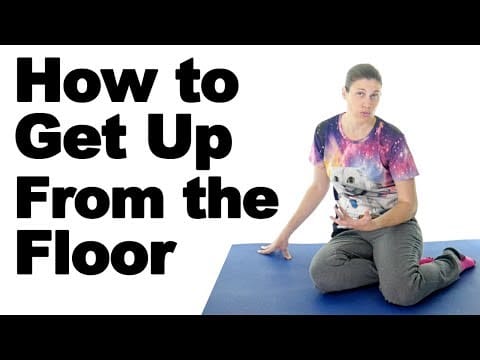
Falling can be a frightening experience, and the thought of being stuck on the floor is a very real concern for many seniors. It’s not just about the fall itself, but the anxiety of how to get back up safely and independently. Perhaps you’ve experienced it, or maybe you worry about a loved one. The good news is that getting up from the floor isn’t just about raw strength; it’s a skill that can be learned, practiced, and mastered. As Dr. Adrian, a senior fitness specialist, I’m here to equip you with a step-by-step guide to confidently and safely reclaim your rise. Let’s transform that fear into empowerment.
The Science: Why This Happens
Understanding why getting up from the floor becomes challenging as we age is the first step toward overcoming it. It’s not just “getting old”; specific physiological changes are at play:
- Sarcopenia (Age-Related Muscle Loss): After age 30, we can lose 3-8% of our muscle mass per decade, accelerating after age 60. This affects vital muscles in our legs, core, and arms, all critical for the powerful push needed to stand up.
- Decreased Flexibility and Range of Motion: Joints become stiffer, and connective tissues lose elasticity. This restricts our ability to maneuver into optimal positions to leverage our strength effectively. Think about the difficulty bending knees fully or reaching for support.
- Balance Impairments: Our vestibular system (inner ear), vision, and proprioception (sense of body position) can all decline. This makes maintaining stability during transitional movements – like shifting weight from kneeling to standing – much harder.
- Reduced Bone Density: While not directly impacting the ability to get up, weaker bones increase the fear of fracture, making people hesitant to attempt movement, further deconditioning them.
- Fear of Falling (Fallophobia): This psychological impact is significant. A previous fall or even the constant worry can lead to reduced physical activity, muscle weakness, and poorer balance – creating a vicious cycle that makes future falls more likely and independent recovery harder.
- Chronic Pain and Medical Conditions: Arthritis, neurological conditions, or cardiovascular issues can all impact mobility, strength, and endurance, making the effort to stand up much more demanding and uncomfortable.
Recognizing these factors helps us approach the solution strategically, focusing on strengthening, flexibility, and building confidence.
The Routine: Step-by-Step Guide
This method focuses on getting you to a stable, elevated surface, like a chair or couch. Always take your time, breathe, and listen to your body.
- Assess Your Surroundings: Take a moment to scan for a sturdy chair, sofa, or any robust furniture you can use for support. Avoid tables with wheels or anything that might tip.
- Roll to Your Side: If you’re on your back, gently roll onto your side. Use your arms to assist. Take a few deep breaths.
- Push to Your Hands and Knees: From your side, carefully push up onto your hands and knees. If your knees are sensitive, try to find something soft like a rug or use a cushion to pad them.
- Crawl to a Sturdy Support: On your hands and knees, slowly crawl towards the sturdy chair or furniture you identified earlier. Position yourself so your head is near the chair and your hands can reach its seat.
- Place Hands on the Support: Firmly place both hands on the seat of the chair or the sturdy furniture. Make sure your grip is secure.
- Bring One Foot Forward: Bring one foot forward, placing it flat on the floor, so you are in a half-kneeling position (like a lunge). Choose your stronger leg for the front position if possible.
- Shift Weight and Push Up: Gently shift your weight forward, pushing down through your hands on the chair and through your front foot. Engage your core and use the strength in your legs and arms to slowly push yourself up towards a standing position. Do not rush this step.
- Stabilize and Turn: Once upright, use the chair for support as you slowly turn to face it and sit down. Take a moment to regain your balance before moving again. If you feel dizzy, stay still, breathe, and wait for it to pass before sitting or moving.
Dr. Adrian’s Pro Tip 💡
Beyond the physical steps, my top tip is to integrate a “Floor Time” practice into your weekly routine. This isn’t just about getting up; it’s about building comfort and confidence being *on* the floor. Start by sitting on the floor with support (e.g., leaning against a couch) for 5-10 minutes each day. Gradually, practice getting down to the floor and up again when you’re not in a crisis. This habit strengthens the exact muscles you need, improves flexibility, and crucially, reduces the psychological fear of being stuck. Consider it your daily independence insurance policy!
Common Mistakes to Avoid
Being aware of these pitfalls can prevent further injury and make your attempt to get up more successful:
- Rushing the Process: Panicking or moving too quickly can lead to loss of balance, dizziness, or further injury. Take deep breaths and move deliberately.
- Not Using Available Support: Trying to stand up without leveraging a sturdy object is significantly harder and more dangerous. Always look for support.
- Using Unstable Objects for Support: Avoid pulling yourself up on wheeled furniture, small tables, lamps, or anything that could tip over or slide away. Ensure your support is firmly planted and can bear your weight.
- Pushing Through Pain: If you experience sharp pain, stop immediately. It’s crucial to listen to your body. Sometimes, a different approach or even calling for help is the safest option.
- Trying to Stand Directly from Sitting: Attempting to stand straight up from a seated position on the floor (without getting to hands and knees first) puts immense strain on your legs and back and is very difficult without significant core and leg strength.
- Ignoring Dizziness: If you feel lightheaded, do not try to stand. Lie back down or remain in a low position until the dizziness subsides. Orthostatic hypotension (a drop in blood pressure upon standing) is common and can lead to another fall.
Frequently Asked Questions
Let’s address some common concerns you might have:
- Q: What if I can’t get onto my hands and knees?
- A: If getting to your hands and knees is too difficult due to pain or limited mobility, try to roll onto your stomach. From there, push up onto your elbows, then onto your hands (like a modified push-up). Then, try to “crab walk” or drag yourself using your arms towards a sturdy piece of furniture, and then proceed with pulling yourself up as described, perhaps leading with your knees if you can’t get a foot forward.
- Q: Should I practice this regularly?
- A: Absolutely! Regular practice in a safe environment (perhaps with someone nearby) is the best way to build the muscle memory, strength, and confidence needed. Incorporate it into your fitness routine or daily activities, as suggested in Dr. Adrian’s Pro Tip.
- Q: What if I’m injured or in severe pain?
- A: If you suspect an injury, are in severe pain, or simply feel unable to get up safely, do NOT force it. Try to stay warm, call for help (via a personal alarm, phone, or shouting), and move as little as possible. It’s better to wait for assistance than to risk further injury.
- Q: What exercises can help me improve my ability to get up?
- A: Focus on exercises that build leg strength (chair squats, sit-to-stands), core strength (pelvic tilts, gentle abdominal braces), and hip flexibility (knee-to-chest stretches). Balance exercises (standing on one leg with support, heel-to-toe walking) are also crucial. Consulting a physical therapist can provide you with a personalized exercise plan.
Conclusion
Getting up from the floor is more than just a physical act; it’s a profound declaration of independence and resilience. It’s a skill that, with practice and the right technique, can be mastered, significantly reducing anxiety and enhancing your quality of life. Remember, patience, persistence, and prioritizing safety are your most important tools. Don’t wait for a fall to happen; empower yourself today by practicing these steps regularly. Stay active, stay confident, and remember that with the right approach, you can confidently rise to any challenge, even from the floor. You’ve got this!
Watch the Routine in Action
Follow along with this video to ensure you are using the correct form.
Related Articles You Might Find Useful
- Reclaim Your Independence: Dr. Adrian’s Guide to Getting Up from the Floor Safely
- Rediscover Joyful Movement: Gentle Cardio for Seniors with Bad Knees
- Unleash Your Vertical Power: Dr. Adrian’s Guide to Banishing the Hunch and Reclaiming Your Stride