Reclaim Your Confidence: Dr. Adrian’s Essential Guide to Getting Up Safely from the Floor

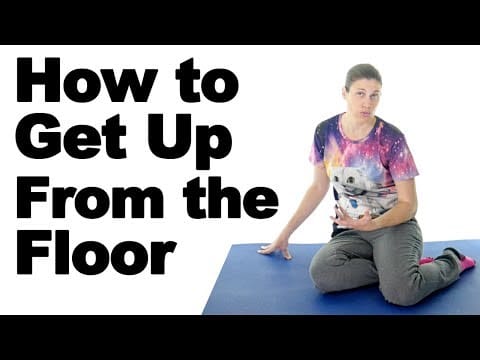
Introduction: As Dr. Adrian, a senior fitness specialist, I often hear from my patients about a common fear: the fear of falling, and crucially, the fear of *being unable to get up* once on the floor. It’s a natural concern, and one that can chip away at your confidence and independence. You’re not alone in feeling this way. Whether it’s due to a momentary slip, an unexpected loss of balance, or simply kneeling down to tend to a grandchild or a pet, finding yourself on the floor can be daunting, especially if your knees aren’t what they used to be, or your strength feels diminished. But I’m here to tell you that this doesn’t have to be a source of anxiety. With the right knowledge and a bit of practice, you can master a safe and effective technique to get back on your feet. My goal today is to empower you with a clear, step-by-step plan, ensuring you feel secure and capable in your daily life.
The Science: Why This Happens
Getting up from the floor isn’t just about raw strength; it’s a complex interplay of several physiological factors that often change as we age. Understanding these can help us approach the solution more effectively:
* **Muscle Weakness (Sarcopenia):** With age, we naturally experience a decline in muscle mass and strength, particularly in our core, glutes, and leg muscles. These are precisely the muscles vital for pushing up, stabilizing, and lifting our body weight.
* **Reduced Balance and Proprioception:** Our sense of where our body is in space (proprioception) and our ability to maintain balance can diminish. This makes coordinated movements from a low position to a high position much harder and increases the risk of instability.
* **Decreased Flexibility and Joint Mobility:** Stiffer joints, often exacerbated by conditions like arthritis, can limit the range of motion needed for various parts of the “get-up” sequence, such as kneeling, lunging, or rotating.
* **Fear of Falling (Kinesiophobia):** The psychological impact is significant. A previous fall, or even just witnessing one, can lead to a pervasive fear that causes individuals to move more cautiously, or even to avoid certain movements altogether, which paradoxically can lead to further deconditioning.
* **Cardiovascular Response:** Shifting from a horizontal to a vertical position too quickly can sometimes lead to a temporary drop in blood pressure (orthostatic hypotension), causing dizziness and further instability.
* **Cognitive Load:** The sequence of movements requires concentration, planning, and problem-solving, which can be more challenging under stress or if one feels disoriented.
Addressing these underlying factors, through targeted exercises and mindful movement, is key to not only executing the “get-up” safely but also preventing future falls.
The Routine: Step-by-Step Guide
This sequence is designed to be slow, controlled, and to utilize your body’s strongest points of contact. Remember to breathe deeply throughout.
- Assess Your Surroundings and Calm Yourself: First, take a moment. If you’ve just fallen, check yourself for any pain or injury before attempting to move. Scan the area for any potential hazards you might bump into or use for support. Take a few slow, deep breaths to calm your nervous system. Rushing is your biggest enemy here.
- Roll to Your Side: From lying on your back, slowly roll onto your side. Bend the knees of your top leg and bring it towards your chest. Use your arms to help initiate the roll, keeping your head supported.
- Push Up to Hands and Knees: Using your arms, push yourself up from your side to a kneeling position on all fours (hands and knees). Position your hands directly under your shoulders and your knees directly under your hips. Keep your head up and look forward, not down.
- Crawl to a Stable Support Object: If you’re not already next to one, slowly crawl on your hands and knees towards the nearest sturdy piece of furniture. A strong chair, a sofa, a bed, or a countertop are ideal. Ensure the object is stable and won’t tip or slide.
- Position Yourself for Ascent: Once you’re next to your chosen support, place both hands firmly on it. Ensure your grip is secure. Shift your weight slightly forward.
- Bring One Foot Forward: Carefully bring one foot forward, placing it flat on the floor directly under your hip, so your knee is bent at roughly a 90-degree angle (like you’re about to propose). This is your primary anchor for pushing up. Your other knee remains on the floor.
- Initiate the Stand (The Lunge Push-Up): Lean forward slightly over your front foot, keeping your back straight. Push down through your hands on the support and through the heel of your front foot. Engage your core and use the strength of your legs (especially your front leg) to slowly lift your body.
- Bring the Other Leg Up: As you push up, bring your trailing knee off the floor and position your other foot flat on the ground, shoulder-width apart from your first foot. You should now be in a standing position, still holding onto your support.
- Regain Balance and Stabilize: Take a moment to adjust your feet, feel balanced, and ensure you’re stable before letting go of the support. Take a few more deep breaths.
Dr. Adrian’s Pro Tip 💡
My unique advice is “The Power of Proactive Practice & The Rule of Three.” Don’t wait until you’ve fallen to try this routine for the first time. Integrate *proactive practice* into your fitness regimen. Find a safe, clear space at home, perhaps with a soft mat, and deliberately practice getting down to the floor and back up using this method a few times a week. This builds not only the physical strength and coordination but also the vital muscle memory and confidence that will serve you well in a real-world scenario. While practicing, always aim for “The Rule of Three” – maintaining at least three points of contact with the ground or a stable object at all times during the transition phases (e.g., two hands and one knee, or one hand and two feet on the ground, or two hands on a chair and one foot on the ground). This continuous stability significantly reduces the risk of further instability or another fall during the process.
Common Mistakes to Avoid
Even with a clear guide, certain pitfalls can make the process more difficult or unsafe:
* **Rushing the Process:** Impatience can lead to loss of balance or missed steps. Take your time with each transition.
* **Not Clearing the Area:** Before you even begin to move, ensure there are no rugs, cords, or small objects around you that could cause another fall.
* **Pushing Directly Up from Your Back:** Trying to sit up straight from your back and then stand puts immense strain on your back and neck, and often requires core strength that many seniors may not possess. Always roll to your side first.
* **Not Using Support:** Attempting to stand up without a stable object to push off from dramatically increases the difficulty and risk of falling again. Look for a sturdy chair, sofa, or wall.
* **Using Your Arms Exclusively:** While arms provide crucial support, the power to stand should primarily come from your stronger leg and glute muscles. Don’t rely solely on your upper body.
* **Holding Your Breath:** This can increase blood pressure and prevent proper muscle oxygenation. Breathe deeply and continuously.
* **Ignoring Pain or Dizziness:** If you experience sharp pain or significant dizziness at any point, stop. Rest, reassess, and do not push through it. If pain persists, seek medical attention.
Frequently Asked Questions
- What if I’m injured or feel pain when I try to move? If you suspect an injury, or experience significant pain or sharp discomfort, do not attempt to get up. Try to get comfortable, use your personal alert system (if you have one), or call for help immediately (e.g., 911 or a family member).
- What if there’s nothing sturdy nearby to grab onto? This is where creativity and practice come in. If there truly is no furniture, consider using a strong wall by crawling towards it, or pushing up using your hands on the floor to get onto your knees, and then very slowly walking your hands up your thighs as you straighten your legs to stand. If you feel unsafe, prioritize calling for help.
- How often should I practice this routine? Practicing 2-3 times a week in a safe, controlled environment is ideal. This builds muscle memory, confidence, and the necessary strength without overexertion.
- What exercises can help me strengthen for this? Focus on exercises that build core, leg, and arm strength:
- Chair Stands: Sit to stand from a sturdy chair.
- Wall Push-ups: To strengthen your upper body.
- Knee Raises: While seated, lift one knee at a time.
- Bridging: Lie on your back, bend knees, lift hips off the floor.
- Heel Raises/Toe Taps: To improve ankle stability and lower leg strength.
- Should I use assistive devices like a cane or walker? If you use these devices normally, absolutely. You can often use a cane or walker once you are on your knees and ready to stand, carefully leveraging it for additional stability as you push up.
Conclusion
Knowing how to get up from the floor safely is more than just a physical skill; it’s a profound step towards maintaining your independence and peace of mind. As Dr. Adrian, I want you to feel empowered, not limited, by your age or any physical challenges. This routine is a powerful tool in your personal safety kit. Remember, consistency in practice builds confidence, and confidence is the cornerstone of healthy, active aging. Don’t let the fear of a fall dictate your life; instead, equip yourself with the knowledge and ability to handle such situations with grace and security. Keep moving, keep practicing, and remember that you have the strength within you.
Watch the Routine in Action
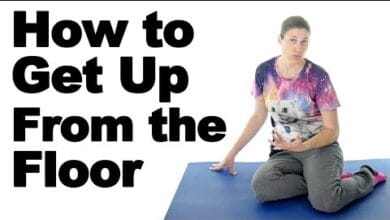
Follow along with this video to ensure you are using the correct form.