Reclaim Joint Health: Beat Hip Pain & Boost Mobility!
Feeling that familiar stiffness in your hips, a twinge with every step, or perhaps a nagging worry about losing your balance? You’re not alone. Hip pain, often a hallmark of osteoarthritis (OA), can feel debilitating, limiting your cherished activities and threatening your independence. But what if I told you there’s a powerful, accessible path to significantly reduce discomfort, restore your range of motion, and move with renewed confidence? This gentle, yet incredibly effective, daily routine is designed specifically for you, offering a beacon of hope and a practical strategy to nurture your hips back to vitality.
The Science Behind Pain-Free Hip Mobility & Independent Living
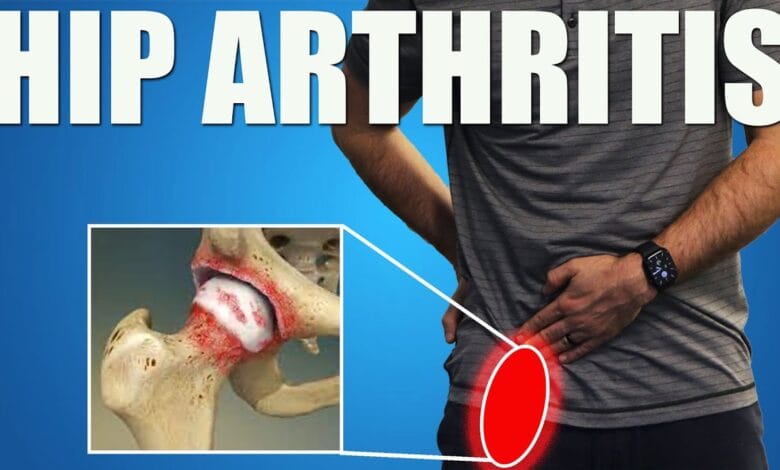
Osteoarthritis, characterized by changes in cartilage, bone, and surrounding tissues, affects millions worldwide and is a leading cause of activity limitation. While it sounds daunting, the science is clear: movement is medicine. Regular, appropriate exercise helps lubricate your joints, strengthens the vital muscles supporting your hips, and can even improve the quality of your remaining cartilage. Expert consensus firmly supports exercise as a cornerstone of OA management, not just for pain relief but for long-term joint maintenance and robust fall prevention. By consistently engaging in targeted movements, you’re not just managing symptoms; you’re actively building resilience, enhancing your balance, and safeguarding your precious independent living, allowing you to continue enjoying life’s adventures without the constant shadow of hip discomfort.
Your Daily Blueprint for Stronger Hips & Lasting Comfort
-
Embrace Gentle Range of Motion (ROM) Exercises: Instead of aggressive stretching, which can sometimes irritate an arthritic joint, focus on smooth, controlled movements that take your hip through its natural range without pain. Think of it as gently oiling a creaky hinge. Simple exercises like supine knee-to-chest pulls, gentle hip circles while lying on your back, or carefully swinging your leg forward and backward while holding onto support, help nourish the cartilage by circulating synovial fluid. Aim for 10-15 repetitions on each side, moving slowly and deliberately, always stopping before any sharp pain. This mindful approach respects your joint’s current capacity and gradually improves its flexibility.
-
Strengthen Your Hip Stabilizers and Glutes: Weakness in the muscles surrounding your hips, particularly the glutes (maximus, medius, and minimus) and core, can contribute significantly to hip pain and instability. Building strength here creates a natural ‘support system’ for your joint. Incorporate exercises like glute bridges (lying on your back, lifting your hips), clam shells (side-lying, opening your top knee like a clam), and side-lying leg lifts. Start with 2-3 sets of 10-12 repetitions, focusing on form over quantity. These exercises don’t just reduce pain; they are crucial for improving balance and significantly contributing to fall prevention, making everyday movements feel more secure.
-
Prioritize Balance and Proprioception Training: As we age, our sense of where our body is in space (proprioception) can diminish, increasing fall risk. Strengthening your hips naturally improves balance, but specific balance exercises are equally vital. Incorporate activities like standing on one leg (holding onto support initially), heel-to-toe walking, or even tai chi. Start with short durations, 15-30 seconds per leg, and gradually increase as you feel more stable. This type of training challenges your nervous system, refines your coordination, and directly translates to greater confidence and stability in daily activities, from navigating uneven sidewalks to reaching for objects.
-
Engage in Regular Low-Impact Aerobic Activity: Beyond targeted hip exercises, maintaining overall cardiovascular health and joint lubrication is key for managing hip OA. Low-impact activities like walking, swimming, cycling, or using an elliptical machine are excellent choices. These activities keep your heart healthy, help manage weight (reducing stress on your hips), and promote blood flow to the joint tissues without jarring impacts. Aim for 20-30 minutes, 3-5 times a week, at a comfortable pace where you can still hold a conversation. Consistency is far more important than intensity here; think of it as a gentle, whole-body tune-up that supports your hip health from the inside out.
-
Listen Intently to Your Body and Modify as Needed: This is perhaps the most crucial “exercise” of all for anyone managing chronic pain. Your body is constantly sending you signals; learn to interpret them. Pushing through sharp pain is never advisable. On days when your hips feel more sensitive, opt for gentler movements or reduce the repetitions. On better days, you might safely increase the challenge slightly. Remember, consistency over perfection is the goal. Applying heat before exercise can help warm up the joint, while ice afterward can soothe any post-activity discomfort. This intuitive, self-compassionate approach ensures you’re building strength and mobility sustainably, avoiding flare-ups and fostering a positive, long-term relationship with your body.
Taking control of your hip health is a journey, not a sprint. Each gentle movement, every conscious strengthening exercise, is a step towards greater freedom and less pain. You possess the power to make a profound difference in your daily life. Start today, take it slow, celebrate every small step forward, and embrace the vibrant, independent future you deserve. Your hips will thank you.
Watch the Full Routine Here
Source: Original content expanded from YouTube video: HIP OSTEOARTHRITIS. BEST Exercises, Stretches & Advice for Hip & Groin Pain Relief