
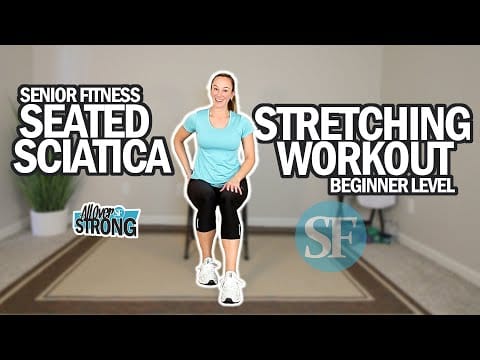
Introduction: Waking up should be a moment of peaceful transition, a gentle start to a new day. But for many seniors, particularly those experiencing leg pain or sciatica, the morning can begin with a jolt of discomfort, stiffness, and a familiar dread. That nagging ache in the lower back, hip, or radiating down the leg can make even the simplest movements feel like a monumental task. You’re not alone in this struggle, and I understand how frustrating it can be to feel limited by your own body. But what if I told you there’s a gentle, accessible way to reclaim your mornings and significantly reduce that discomfort? This comprehensive guide will introduce you to a high-value, seated morning yoga routine specifically designed for seniors with leg pain, promising not just relief, but a renewed sense of mobility and well-being.
The Science: Why This Happens
To truly combat leg pain and sciatica, it helps to understand what’s happening beneath the surface. The term “sciatica” refers to pain radiating along the path of the sciatic nerve – the longest and thickest nerve in the human body. It branches from your lower back through your hips and buttocks and down each leg. When this nerve becomes compressed, inflamed, or irritated, it can cause a range of symptoms from a mild ache to a sharp, burning sensation, or even numbness and weakness.
Common culprits behind sciatica in seniors include:
- Herniated or Slipped Disc: When the gel-like cushion between your vertebrae pushes out, it can press directly on the nerve.
- Spinal Stenosis: A narrowing of the spinal canal, often due to age-related degeneration, which puts pressure on the spinal cord and nerves.
- Piriformis Syndrome: The piriformis muscle, located deep in the buttock, can sometimes spasm or tighten, compressing the sciatic nerve that runs underneath or even through it.
- Degenerative Disc Disease: As we age, the discs can wear down, leading to bone spurs and nerve irritation.
In the mornings, these conditions often feel worse. Why? During sleep, your body is largely inactive, which can lead to stiffness, reduced blood flow, and a lack of lubrication in the joints and surrounding tissues. Gravity also plays a role. When you lie down for extended periods, the discs in your spine rehydrate, which can temporarily increase their size and potentially compress nerves if they’re already compromised. Gentle movement, like the seated yoga we’re about to explore, helps to counter these effects by improving circulation, gently decompressing the spine, and releasing muscle tension, preparing your body for a more comfortable day ahead.
The Routine: Step-by-Step Guide
This gentle morning yoga routine is designed to be performed seated, making it incredibly accessible, even if getting down to the floor is a challenge. Remember, listen to your body and move slowly. If anything causes sharp pain, stop immediately.
What you’ll need: A sturdy chair (preferably without arms), a cushion or folded towel for comfort if needed, and optional a yoga strap or resistance band for hamstring stretches.
The Routine:
- Mindful Seated Breathing (1-2 minutes):
- Sit tall in your chair, feet flat on the floor, hips slightly forward.
- Rest your hands gently on your thighs.
- Close your eyes or soften your gaze.
- Inhale slowly through your nose, feeling your belly expand. Exhale slowly through your mouth, letting go of tension.
- Focus on deep, calming breaths to prepare your body and mind.
- Seated Cat-Cow (5-8 repetitions):
- Place hands on your knees, spine long.
- Cow: Inhale, arch your back slightly, gently lift your chest, and look up towards the ceiling (don’t crunch your neck). Feel a gentle stretch in your abdomen.
- Cat: Exhale, round your spine, tuck your chin to your chest, and draw your belly button towards your spine. Feel a gentle stretch in your upper back.
- Flow smoothly between these two movements with your breath.
- Gentle Seated Spinal Twist (3-5 repetitions per side):
- Sit tall, feet flat.
- Inhale, lengthen your spine.
- Exhale, gently twist your torso to the right, placing your right hand on the back of the chair and your left hand on your right thigh. Keep your hips facing forward.
- Hold for 2-3 breaths, feeling a gentle stretch in your back.
- Inhale to return to center. Repeat on the left side.
- Seated Figure-Four / Piriformis Stretch (30 seconds per side):
- From a seated position, lift your right foot and place your right ankle on your left thigh, just above the knee. Your knee should open out to the side.
- Keep your back straight. If you feel a comfortable stretch in your outer hip/glute, stay here.
- For a deeper stretch, gently lean forward from your hips, keeping your spine straight.
- Hold, breathing deeply into the stretch.
- Slowly release and repeat on the left side.
- Seated Hamstring Stretch (30 seconds per side):
- Extend your right leg straight out in front of you, with your heel on the floor and toes pointing up.
- Keep your back straight and gently lean forward from your hips, reaching towards your toes. You can use a yoga strap or towel around the ball of your foot for extra reach without straining.
- Feel the stretch along the back of your thigh.
- Hold, breathing deeply.
- Slowly release and repeat on the left side.
- Knee-to-Chest (seated adaptation, 3-5 repetitions per side):
- Sitting tall, grasp under your right thigh with both hands.
- Gently draw your right knee towards your chest. Keep your back straight, only pulling as far as comfortable without rounding your lower back excessively.
- You can gently rock side to side if it feels good, offering a subtle massage to the hip flexor and lower back.
- Release slowly. Repeat on the left side.
- Gentle Seated Forward Fold (30-60 seconds):
- Sit tall with feet flat.
- Inhale to lengthen your spine.
- Exhale, slowly hinge forward from your hips, letting your torso drape over your thighs. Let your hands rest on your shins, ankles, or the floor.
- Allow your head and neck to relax. This is a gentle release, not a deep stretch.
- Breathe deeply, feeling gravity gently decompress your spine.
- To come up, inhale and slowly roll up one vertebra at a time, letting your head be the last to rise.
- Seated Relaxation / Mindful Awareness (1-2 minutes):
- Return to a comfortable seated position, feet flat, hands resting.
- Close your eyes and simply observe any sensations in your body.
- Notice the gentle shifts, the softening, the spaciousness you’ve created.
- Take a few more deep, calming breaths, appreciating this moment of peace.
Dr. Adrian’s Pro Tip 💡
One of the most powerful yet often overlooked tools in gentle yoga, especially for managing pain, is conscious breathing. Synchronize your movements with your breath: inhale as you lengthen and prepare for a stretch, exhale as you deepen into it. This not only calms your nervous system but also helps your muscles relax and release tension more effectively. Think of your breath as a gentle wave, guiding you deeper into comfort, never forcing you into pain. Focus on slow, steady breaths, especially into any areas of tension, imagining the breath creating space and easing discomfort.
Common Mistakes to Avoid
To ensure your morning yoga practice is safe and beneficial, be mindful of these common pitfalls:
- Pushing Through Pain: This is perhaps the most critical mistake. Pain is your body’s alarm system. While some discomfort or a gentle stretch is normal, sharp, stabbing, or increasing pain means you need to ease off or stop the movement altogether. Yoga for pain relief is about gentle persuasion, not aggressive forcing. Always honor your body’s current limits.
- Holding Your Breath: When we encounter discomfort, our natural tendency can be to hold our breath. However, holding your breath increases tension in your body and prevents oxygen from reaching your muscles. Remember Dr. Adrian’s Pro Tip – use your breath as a tool. Exhale as you enter a stretch to signal relaxation and allow your muscles to soften.
- Rushing the Movements: Morning yoga is not a race. Performing movements too quickly reduces their therapeutic benefit and increases the risk of strain. Take your time, move with intention and awareness. Focus on the sensation in each stretch rather than just “getting through” the routine. Slower movements allow for deeper engagement and greater relaxation, maximizing the relief you experience.
Frequently Asked Questions
Here are answers to some common questions I hear from my senior clients:
- How often should I do this routine?
Consistency is key. Aim to practice this gentle morning routine daily, or at least 5-6 times a week. Even 10-12 minutes a day can make a significant difference in reducing stiffness and pain. Think of it as a gentle daily dose of self-care. Listen to your body; if you’re having a particularly rough day, a shorter, more mindful version is still beneficial. - What if I don’t feel much of a stretch? Should I push harder?
Absolutely not. The goal isn’t necessarily to feel a deep, intense stretch, especially when dealing with pain. The aim is gentle movement, improved circulation, and subtle release of tension around the sciatic nerve. If you’re not feeling a strong stretch, it might simply mean your body is opening up gradually. As long as you’re moving with intention and breathing deeply, you’re doing it right. Focus on comfort and ease, not depth. - Do I need a yoga mat or special clothing?
For this seated routine, a yoga mat isn’t necessary. You’ll only need a sturdy chair. As for clothing, wear anything that allows for comfortable movement. Loose-fitting attire that doesn’t restrict your range of motion is ideal. The focus is on accessibility and ease, so don’t let equipment be a barrier to starting your practice.
Conclusion
You have the power to transform your mornings from moments of dread into opportunities for gentle healing and renewed vitality. This seated morning yoga routine offers a safe, effective, and accessible pathway to significantly reduce leg pain and sciatica, empowering you to start each day with greater comfort and confidence. Remember, consistency, patience, and mindful listening to your body are your greatest allies. Embrace this practice as a vital part of your self-care, and watch as your days unfold with more ease and joy. For more guidance and resources tailored for senior fitness, I encourage you to visit us online at www.SeniorFitnessWithMeredith.com and sign up for our newsletter to stay connected with valuable tips and routines.
Related Articles You Might Find Useful
- Gentle Pilates Stretch for Seniors & Beginners -Morning Stretching Exercises
- Unlock Pain-Free Movement: Boost Joint Health & Balance in 7 Days
- Chair Yoga for Joint Health: Banish Stiffness & Boost Balance (50+)

One Comment