Beat Low Back Pain: Boost Mobility & Joint Health After 50
Do you find yourself starting the day with a stiff, aching low back, or feeling a twinge that makes you hesitate before bending or lifting? That persistent discomfort can chip away at your confidence, making even simple movements feel like a challenge. But what if I told you there’s a surprisingly gentle, yet profoundly effective, technique that can offer significant relief in just 90 seconds, paving the way for improved comfort, balance, and a renewed sense of freedom?
Unlocking Your Body’s Natural Healing: The Science of Positional Release
This gentle approach to pain relief, often referred to as Strain/Counterstrain or Positional Release, works by leveraging your body’s innate healing mechanisms. It’s not about forceful stretching or aggressive manipulation. Instead, it’s a sophisticated technique that “resets” overactive muscle spindles and nerve receptors that are holding a muscle in spasm, often due to injury, overuse, or even chronic stress. By carefully guiding the affected joint or muscle into a position of maximal comfort – where the pain virtually disappears – we essentially trick the nervous system into releasing the tension. This immediate reduction in pain signals allows the muscle to relax, restoring its natural length and function. It’s a remarkable testament to how subtle, mindful movements can bring about profound, lasting change, especially for bodies navigating the unique challenges of aging.
This targeted method offers more than just temporary relief; it’s a cornerstone for comprehensive wellness, especially as we age. By alleviating chronic low back pain, we dramatically reduce the risk of compensatory movements that can lead to further injury, directly contributing to vital **fall prevention**. Regular application of such gentle techniques fosters greater joint flexibility and range of motion, crucial for **joint maintenance** and preventing the stiffness that often accompanies arthritis. Ultimately, reducing pain and improving mobility empowers you to engage more fully in daily activities, from gardening to playing with grandchildren, thereby championing **independent living**. It’s a holistic investment in your physical autonomy, affirming that consistent, gentle care is the key to a vibrant, active future, as countless experts in physical therapy and gerontology concur.
Your Gentle 90-Second Path to Low Back Relief
Here’s how you can gently guide your body towards relief using the principles of positional release. Remember, listen to your body, and never push into pain.
- **Create Your Sanctuary & Prepare Mindfully:** Before you even begin, find a quiet, comfortable space where you won’t be disturbed. Lie down on your back on a firm, yet padded surface, like a yoga mat on the floor, with your knees bent and feet flat. Take a few deep, slow breaths, allowing your body to settle. This isn’t just a physical exercise; it’s an opportunity for a mindful connection with your body. Focus on releasing tension with each exhale, setting the stage for deeper relaxation and responsiveness to the technique.
- **Gently Locate Your “Tender Point”:** The key to this technique is finding the specific spot in your low back or sacrum that feels particularly tender or “knotted” to the touch. Use your fingertips to gently palpate the area. Don’t press hard; simply feel for the most sensitive spot. This is the muscle or fascial tissue that’s likely in spasm. Sometimes, the pain might be referred from another area, but focusing on the most local tender point is often effective. Mark it mentally, as this is the area you’ll be working to “release.”
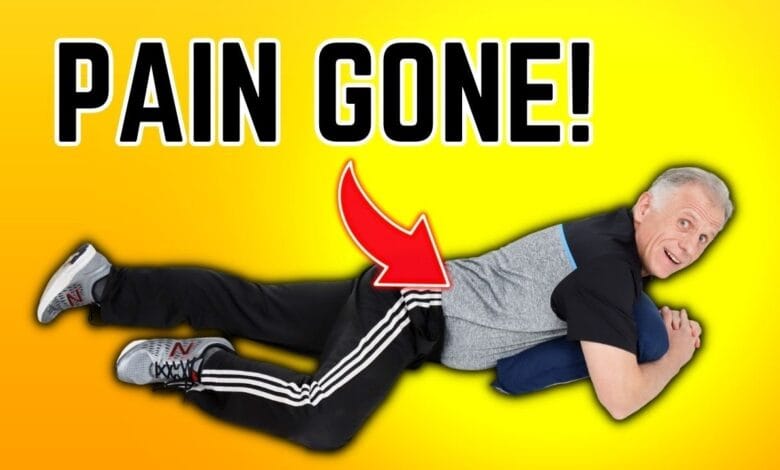
- **Discover Your Position of Ease (The “Roadkill” Position):** This is the magic step. While lying on your back with knees bent, slowly and gently bring your knees towards your chest. Then, let your knees fall *to the side opposite* your identified tender point. For instance, if your right low back is tender, rotate your knees to the left. Allow your body to relax into this rotation, making tiny adjustments to your hip and knee position until you find a spot where the tenderness or pain in your low back is reduced by at least 90-100%. You might feel a slight stretch on one side, but the goal is absolute comfort on the painful side. This “roadkill” position, as some playfully call it, is where the muscle in spasm is maximally shortened, allowing its protective reflex to disengage.
- **Embrace the 90-Second Reset:** Once you’ve found that sweet spot of comfort, hold this position absolutely still for 90 seconds. This duration isn’t arbitrary; it’s the approximate time needed for the muscle spindles and nerve receptors to “reset” and relax their protective tension. During this time, continue with slow, deep breathing. Close your eyes if comfortable, and allow your body to completely surrender to the position. Avoid any micro-adjustments or fidgeting; stillness is crucial for the neurological reset to occur effectively. You might even feel a subtle release or warmth in the targeted area.
- **The Gentle Unwind and Integration:** After 90 seconds, the most critical part is the return. Do *not* push or quickly move out of the position. Instead, slowly and deliberately unwind your body back to the starting neutral position (knees bent, feet flat). Think of it as slowly pouring water from a jug, rather than tipping it over. Then, gently roll onto your side and use your arms to push yourself up to a seated position, taking your time before standing. This slow return prevents the muscle from re-engaging its spasm. After standing, take a moment to notice any changes in your low back pain and overall mobility. Incorporate gentle, mindful movement throughout your day to reinforce this newfound ease.
Taking charge of your low back pain with gentle, consistent effort is one of the most empowering steps you can take towards a more comfortable and independent life. This simple, 90-second technique isn’t just about pain relief; it’s about reconnecting with your body’s wisdom and fostering a deeper sense of well-being. Start today, approach it with patience and self-compassion, and celebrate every small step toward regaining your freedom of movement. Your journey to greater comfort and independence begins with this gentle commitment to yourself.
Watch the Full Routine Here
Source: Original content expanded from YouTube video: How To FIX Low Back Pain In 90 Seconds – (So Simple)