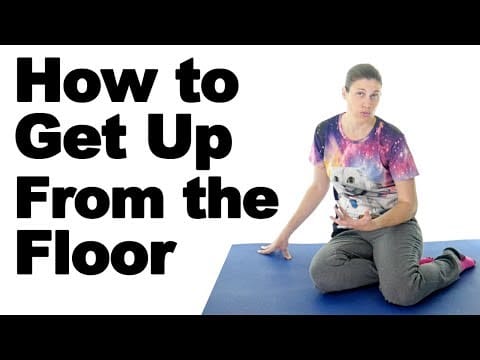
Reclaim Your Freedom: Dr. Adrian’s Essential Guide to Getting Up From the Floor Safely for Seniors
Introduction: It’s a common scenario, perhaps one you’ve experienced yourself or worried about: finding yourself on the floor, whether from a small tumble, playing with grandchildren, or simply reaching for something low. The thought of getting back up can be daunting, even anxiety-inducing, especially as we age or if we’re dealing with conditions like weak or injured knees. Many people feel a loss of confidence or even embarrassment, but let me assure you, this is a universal concern. As Dr. Adrian, a senior fitness specialist, I want to empower you with the knowledge and practical steps to regain your independence and safely transition from the floor to standing. This isn’t just about physical movement; it’s about maintaining your freedom and peace of mind.
The Science: Why This Happens
Understanding *why* getting up from the floor can become challenging is the first step towards mastering it. It’s not a sign of failure, but rather a natural consequence of various age-related physiological changes and, at times, specific health conditions:
- Sarcopenia (Muscle Loss): Beginning in our 30s and accelerating after 60, we naturally lose muscle mass and strength. This affects critical muscles in our legs, core, and arms – all essential for pushing ourselves up. What once felt effortless now requires significant exertion.
- Decreased Balance and Proprioception: Our sense of where our body is in space (proprioception) diminishes with age, as does our overall balance. This makes complex, multi-joint movements like getting up from the floor feel less stable and more precarious.
- Reduced Flexibility and Joint Mobility: Conditions like arthritis, joint stiffness, and decreased flexibility can limit the range of motion in our hips, knees, and ankles. This makes it harder to bend, twist, and maneuver into the positions needed to generate leverage. Weak or injured knees, as mentioned in the context, can make bending and bearing weight extremely painful or impossible, requiring alternative strategies.
- Neurological Changes: Slower reaction times and altered motor control pathways can make coordinating the multiple steps involved in rising from the floor more difficult and increase the risk of instability.
- Fear of Falling: A previous fall or even the *thought* of falling can create a significant psychological barrier. This fear can lead to hesitation, muscle tension, and avoidance of movement, paradoxically increasing the risk of another fall or making the movement itself harder.
These factors combine to make a seemingly simple task quite complex, highlighting the importance of a structured, safe approach.
The Routine: Step-by-Step Guide
This method focuses on leveraging your body, minimizing strain, and utilizing stable support. Always take your time, breathe deeply, and listen to your body.
- Assess and Orient:
- Take a moment. Don’t panic or rush.
- Scan your surroundings. Look for a sturdy piece of furniture: a strong chair, a couch, a bed, or a wall. If none are nearby, don’t worry, we’ll address that in the FAQ.
- Take a few deep breaths to calm yourself.
- Roll to Your Side (The Fetal Position):
- From whatever position you’re in, gently roll onto your side. Bend your knees towards your chest, tucking your chin slightly. This protects your back and makes the next step easier.
- Push Up to Hands and Knees:
- Using your elbows and then your hands, push yourself up until you are on your hands and knees. Keep your head lifted slightly to maintain balance.
- If you have weak or injured knees, you might want to place a cushion or folded towel under them for comfort.
- Crawl Towards Support:
- If you identified a stable piece of furniture, slowly crawl towards it. Position yourself so the furniture is directly in front of you.
- Prepare for the Ascent (One Leg Up):
- Place both hands firmly on the sturdy support.
- Bring one foot forward, placing it flat on the floor directly under your hip. Choose your stronger leg if possible, or the one that causes less discomfort if you have knee issues.
- Your other knee remains on the floor.
- Push Up to Standing:
- Engage your core.
- Push down through your hands on the support and through the foot that’s flat on the floor. Simultaneously, push off with the knee that’s still on the ground.
- As you push up, shift your weight over your feet.
- Slowly bring your second foot forward to meet the first, standing fully upright.
- Stabilize and Recover:
- Once standing, pause for a moment, holding onto your support if needed.
- Take a few deep breaths. Allow your balance to fully stabilize before moving away from the support.
Dr. Adrian’s Pro Tip 💡
The secret to mastering this movement isn’t just physical strength; it’s about Intentional Preparation & Environmental Awareness. Before you even get to the floor (whether intentionally or unexpectedly), cultivate a habit of scanning your environment. If you know you’ll be on the floor (e.g., playing with grandkids, gardening), strategically position yourself near a sturdy chair or couch. Furthermore, practice *visualization*. Mentally rehearse these steps regularly. Imagine yourself smoothly executing each phase. This mental preparation builds confidence, reduces panic, and primes your nervous system, making the physical execution much more fluid when the time comes. Your brain and body are a team; prepare them both!
Common Mistakes to Avoid
To ensure your safety and effectiveness, be mindful of these common pitfalls:
- Rushing the Process: Impatience can lead to instability, muscle strain, or another fall. Take your time with each step.
- Panicking or Holding Your Breath: Stress and held breath restrict oxygen flow and increase muscle tension. Breathe deeply and calmly throughout.
- Pushing Off Unstable Surfaces: Never rely on wobbly tables, thin lamps, or a rolling chair for support. Always test the stability of your chosen support before putting your weight on it.
- Trying to “Pop Up” from a Seated Position: This puts immense strain on your knees and back and requires significant lower body strength and explosive power, which often decreases with age. Follow the step-by-step method for a safer transition.
- Ignoring Discomfort or Pain: If a certain movement causes sharp pain, stop immediately. Adjust your position or consider if you might need assistance. Forcing through pain can lead to injury.
- Failing to Engage Core Muscles: Your core acts as your body’s stabilizer. A weak or disengaged core makes the entire movement less stable and more taxing.
Frequently Asked Questions
Let’s address some common concerns that arise when thinking about getting up from the floor.
Q: What if I can’t reach a chair or any sturdy furniture?
A: If no furniture is available, you can use a wall. Once on your hands and knees, crawl to the nearest wall. Turn so your back is against the wall, then push up to a kneeling position. Place one foot flat on the floor, use your hands to push against the wall, and slowly push yourself up to standing, allowing the wall to guide and support your back. If the wall isn’t an option, focus on using your strongest leg and arm muscles to push yourself up as much as possible, taking small, controlled movements. You might need to pivot your body to achieve the necessary leverage.
Q: Should I get up immediately after a fall?
A: Not necessarily. First, take a moment to assess yourself for injuries. Check for pain, swelling, or unusual sensations. If you suspect a serious injury (e.g., head trauma, broken bone), do not try to get up. Shout for help, use a personal alarm device, or try to reach a phone. If you feel fine and confident you can get up safely, then proceed with the steps outlined above.
Q: How can I strengthen myself to make this easier?
A: Regular exercise focusing on core strength, leg strength, and balance is crucial. Exercises like chair stands, leg raises, glute bridges, planks (modified if needed), and heel-to-toe walking can significantly improve your ability. Consult a fitness professional or physical therapist for a personalized exercise program.
Q: Is it okay to ask for help if I need it?
A: Absolutely! Asking for help is a sign of wisdom, not weakness. If you’re struggling, in pain, or simply feel unsafe, do not hesitate to ask a family member, friend, or caregiver for assistance. Safety always comes first.
Q: What if I live alone and fall? What should I do?
A: This is a critical concern. If you live alone, consider investing in a personal emergency response system (PERS) – often worn as a pendant or bracelet – that allows you to call for help with the push of a button. Keep a phone within reach on the floor, or teach a smart speaker to call emergency contacts. Ensure your home environment is fall-proofed (good lighting, clear pathways, non-slip rugs). Practice the getting-up routine regularly so you’re prepared.
Conclusion
Getting up from the floor safely is a fundamental skill for maintaining your independence and confidence as you age. It’s a skill that can be learned, practiced, and mastered. By understanding the science behind the challenge, diligently following the step-by-step routine, avoiding common mistakes, and incorporating Dr. Adrian’s Pro Tip of intentional preparation, you can approach this task with greater certainty and less fear. Remember, consistent practice, listening to your body, and knowing when to ask for help are your greatest allies. You have the power to reclaim your freedom and move through life with greater peace of mind. Stay active, stay confident, and stay safe!
Watch the Routine in Action
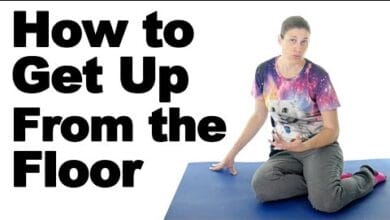
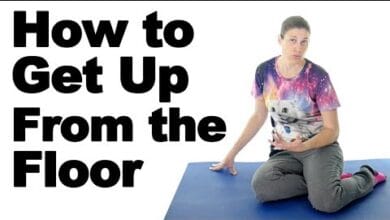
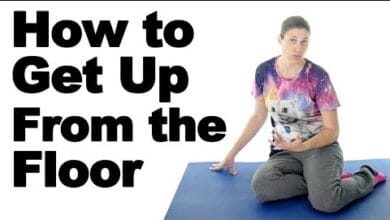
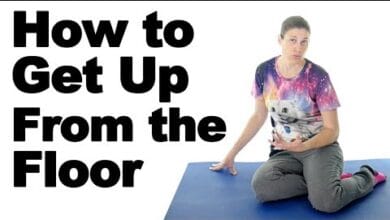
Follow along with this video to ensure you are using the correct form.