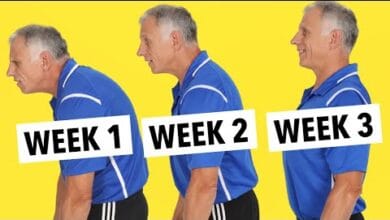
Straighten Up! Reclaim Your Confidence and Health with Dr. Adrian’s Posture Power-Up

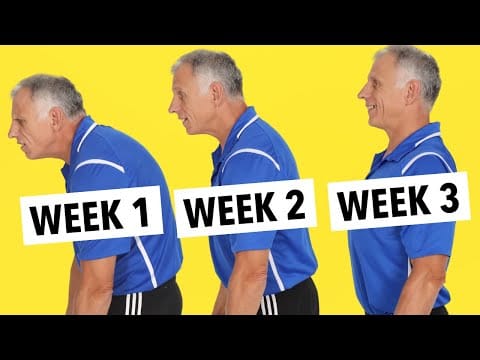
Introduction: Do you often catch yourself slouching, shoulders rounded, head subtly jutting forward? It’s a common modern predicament, one that can subtly erode your confidence, sap your energy, and even contribute to nagging aches and pains. You’re not alone in feeling the pull of gravity and habit, but here’s the good news: the power to stand taller, feel stronger, and move with greater ease is entirely within your grasp. As Dr. Adrian, a senior fitness specialist, I’m here to guide you through a proven path to better posture, helping you prevent that unwelcome hunch and unlock a more vibrant you.
The Science: Why This Happens
Our bodies are magnificent machines, incredibly adaptable. Unfortunately, in our modern world, this adaptability often works against us. Think about your daily routine: hours spent hunched over computers, scrolling on smartphones, driving, or even relaxing in slumped positions. This repetitive forward-leaning posture isn’t just a bad habit; it’s a profound muscular imbalance.
The primary culprits are typically:
- Tight Chest Muscles (Pectorals): Constant internal rotation of the shoulders and forward arm positioning shorten and tighten the muscles at the front of your chest. This pulls your shoulders forward and inward.
- Weak Upper Back Muscles (Rhomboids, Mid/Lower Trapezius): The muscles responsible for pulling your shoulder blades back and down, holding your shoulders in a healthy alignment, become stretched and weakened from disuse. They simply aren’t strong enough to counteract the pull of your tight chest.
- Weak Core Muscles: A strong core acts as the foundation for your entire posture. When weak, your pelvis can tilt incorrectly, and your spine lacks the crucial support needed to maintain an upright position, leading to compensation elsewhere.
- Forward Head Posture (Cervical Protraction): With your upper back rounded, your neck naturally compensates by jutting your head forward to keep your eyes level. This adds significant strain to your neck muscles and cervical spine – for every inch your head moves forward, it can add 10 pounds of pressure on your neck!
Over time, these imbalances don’t just affect appearance; they can lead to chronic neck and back pain, headaches, reduced lung capacity, digestive issues, and even make you appear older than your years. The good news is, understanding the “why” empowers us to create an effective “how.”
The Routine: Step-by-Step Guide
This routine focuses on stretching what’s tight and strengthening what’s weak, creating a balanced foundation for improved posture. Aim to perform these exercises 3-5 times a week, listening to your body.
- Doorway Chest Stretch (Pectoral Release)
- How to: Stand in a doorway with your elbows bent at 90 degrees and forearms resting on the door frame, hands above shoulder height. Take a small step forward with one foot, gently leaning your body forward until you feel a comfortable stretch across your chest. Keep your shoulders relaxed and avoid shrugging.
- Targets: Pectoralis major and minor (chest muscles).
- Hold: 20-30 seconds, 2-3 repetitions.
- Scapular Squeezes (Rhomboid & Trapezius Activation)
- How to: Sit or stand tall with your shoulders relaxed. Gently squeeze your shoulder blades together and slightly down, as if trying to hold a pencil between them. Keep your neck long and avoid shrugging your shoulders towards your ears. Focus on the contraction in your upper back.
- Targets: Rhomboids, mid and lower trapezius.
- Perform: 10-15 repetitions, holding for 2-3 seconds at the peak of the squeeze. 2-3 sets.
- Chin Tucks (Cervical Retraction)
- How to: Sit or stand tall. Gently pull your chin straight back, as if making a double chin, keeping your gaze level. You should feel a stretch at the back of your neck and activation of the deep neck flexors. Avoid tilting your head up or down.
- Targets: Deep cervical flexors; corrects forward head posture.
- Perform: 10-15 repetitions, holding for 3-5 seconds. 2-3 sets. This is fantastic for daily use!
- Wall Angels (Upper Back & Shoulder Mobility)
- How to: Stand with your back flat against a wall, heels about 6 inches away. Ensure your head, shoulders, and hips are touching the wall. Raise your arms to a ‘W’ shape, pressing your forearms and backs of your hands against the wall. Slowly slide your arms up the wall, trying to maintain contact with your forearms and hands, until your arms are in a ‘Y’ shape. Slowly slide them back down to the ‘W’.
- Targets: Thoracic spine extension, shoulder external rotation, scapular stabilization.
- Perform: 8-12 slow and controlled repetitions. 2-3 sets.
- Band Pull-Aparts (Rear Deltoid & Upper Back Strength)
- How to: Hold a resistance band with both hands, palms facing down, hands shoulder-width apart, arms extended straight out in front of you at shoulder height. Keeping your arms straight (a slight bend in the elbow is okay), pull the band apart, squeezing your shoulder blades together until the band touches your chest. Slowly return to the starting position.
- Targets: Rear deltoids, rhomboids, trapezius.
- Perform: 12-15 repetitions. 2-3 sets. Use a band with appropriate resistance.
Dr. Adrian’s Pro Tip 💡
Beyond structured exercises, cultivate “mindful posture moments” throughout your day. Set a timer to go off every hour or two. When it rings, take a deep breath, consciously reset your posture (shoulders back and down, chin tucked, core gently engaged), and stretch for 30 seconds. This isn’t just about breaking up sedentary periods; it’s about rewiring your neural pathways and making good posture your default. It’s often the small, consistent acts that yield the greatest long-term results.
Common Mistakes to Avoid
Even with the best intentions, certain pitfalls can hinder your progress or even cause discomfort:
- Forcing It: Never push into pain. A stretch should feel like a gentle pull, and strengthening should be challenging but not painful. Listen to your body and modify exercises if needed.
- Over-arching the Lower Back: When trying to stand “tall,” many people exaggerate an arch in their lower back. This can lead to lower back pain. Focus on a neutral spine: imagine a string pulling your head towards the ceiling, while your tailbone gently points towards the floor.
- Holding Your Breath: Proper breathing is crucial for posture. Always breathe deeply and consistently throughout your exercises. Holding your breath increases tension and prevents full muscle engagement.
- Ignoring Your Ergonomics: Performing these exercises regularly is fantastic, but if you return to an improperly set up workstation or habitual slouching, you’ll be fighting an uphill battle. Adjust your chair, monitor height, and keyboard to support a neutral spine.
- Expecting Instant Results: Improving posture is a journey, not a sprint. Years of habits won’t disappear overnight. Consistency and patience are your best allies. Celebrate small improvements!
- Neglecting Core Strength: Many focus solely on the back, but a strong core (transverse abdominis, obliques) is fundamental for spinal stability and upright posture. Incorporate gentle core exercises like planks or bird-dogs into your routine.
Frequently Asked Questions
How long will it take to see results?
Consistency is key. You might feel subtle improvements in awareness and comfort within a few weeks. Visible changes in your posture typically take 2-3 months of consistent effort. Remember, building new habits and strengthening weakened muscles takes time.
Can I do these exercises every day?
Yes, many of these exercises, particularly the stretches and activations like chin tucks and scapular squeezes, can be done daily. For strengthening exercises using resistance, allow for a rest day between sessions (e.g., 3-4 times a week) to allow muscles to recover and rebuild.
What if I experience pain?
If any exercise causes sharp or persistent pain, stop immediately. It’s crucial to distinguish between muscle fatigue/stretch sensation and actual pain. If pain persists, consult with a healthcare professional, physical therapist, or your doctor before continuing.
Is it ever too late to improve my posture?
Absolutely not! While deeply ingrained habits might take more effort to correct, the human body is incredibly adaptable. Regardless of age, you can always make significant improvements in your posture, reducing pain, increasing mobility, and enhancing your overall well-being. Start today!
Do posture correctors really work?
Posture correctors can offer temporary support and act as a reminder to engage your muscles. However, they should not be relied upon as a primary solution. Over-reliance can weaken your postural muscles further. Think of them as a tool to aid awareness, not a substitute for strengthening and stretching exercises.
Conclusion
Embracing better posture is more than just standing up straight; it’s an investment in your long-term health, vitality, and self-confidence. By understanding the science behind why we hunch, diligently applying the right exercises, avoiding common mistakes, and integrating mindful movement into your daily life, you are actively taking control of your well-being.
As Dr. Adrian, I want to assure you that this journey is empowering. Start small, be consistent, and celebrate every inch of improvement. You deserve to move through life with ease, grace, and a posture that reflects your inner strength. Begin your posture power-up today – your body will thank you for it!
Watch the Routine in Action
Follow along with this video to ensure you are using the correct form.