Ease Knee Pain: Seated Cardio for Lasting Joint Health & Balance
Are you experiencing the frustrating stiffness and achiness in your knees that often accompanies aging, making even simple movements feel daunting? You’re not alone. Many of us over 50 face similar challenges, wondering how to stay active without aggravating existing pain or risking falls. The good news is that low-impact, seated cardio, like that offered by recumbent bikes or seated steppers, provides a gentle yet incredibly effective pathway to regain joint comfort, improve mobility, and reclaim your independence. This routine is designed to be accessible, safe, and deeply beneficial for your knee health.
The Gentle Power of Low-Impact Movement for Aging Joints
As we age, our joints, particularly the knees, can become more susceptible to wear and tear, often leading to conditions like osteoarthritis. The expert consensus is clear: consistent, low-impact exercise is not just safe, but essential for maintaining joint health. Unlike high-impact activities that can compress and stress cartilage, seated cardio offers a fluid, controlled motion that helps lubricate the joint, nourish cartilage, and strengthen the crucial muscles surrounding the knee without excessive strain. This gentle approach significantly aids in fall prevention by improving leg strength and stability, contributes directly to long-term joint maintenance, and is a cornerstone for sustaining your independent living, allowing you to move with greater confidence and less pain in your daily life. It’s about building resilience, not just managing symptoms.
Your Personalized Guide to Joint-Friendly Seated Cardio
-
Choosing the Right Equipment: Seated Stepper vs. Recumbent Bike
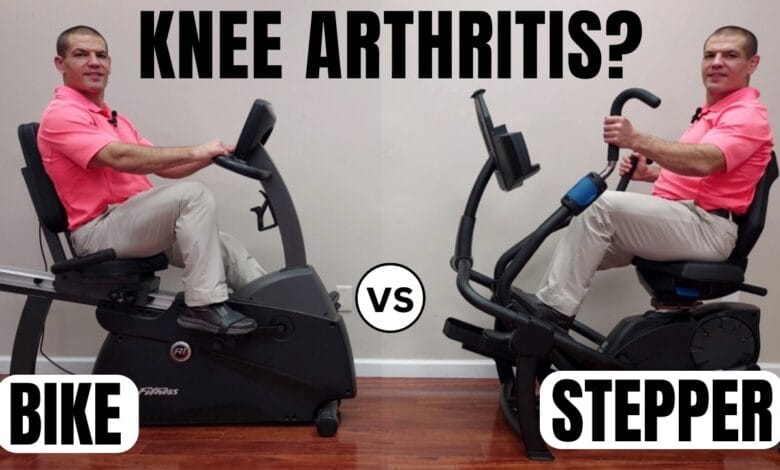
Both seated steppers (like the Teeter FreeStep) and recumbent bikes offer fantastic low-impact options for knee arthritis, but they engage your muscles slightly differently. A seated stepper mimics a more natural walking or climbing motion, which can be excellent for improving gait mechanics and engaging the glutes and hamstrings, crucial for knee stability. The recumbent bike, with its reclined position, offers superb back support and often feels very gentle on the knees due to the circular, non-weight-bearing motion. My advice? Experiment if you can. Some find the stepper’s push-pull action more intuitive, while others prefer the smooth rotation of the bike. Focus on a machine that allows you to maintain a slight bend in your knee at the furthest point of extension, avoiding hyperextension, and ensures your hips are stable throughout the movement. Adjust resistance to a comfortable level where you feel your muscles working without any sharp pain. -
Mastering Proper Form and Posture for Joint Protection
Good form is paramount to maximizing benefits and preventing injury. Whether on a stepper or bike, sit tall with your core gently engaged, shoulders relaxed, and a neutral spine. Avoid hunching over or leaning too heavily on the handlebars. On a recumbent bike, ensure your seat is adjusted so there’s a slight bend in your knee at the bottom of the pedal stroke—never lock out your knees completely. For a seated stepper, focus on pushing and pulling with your whole foot, maintaining a stable torso. Think about smooth, controlled movements rather than speed or force. This mindful approach ensures that the right muscles are engaged, protecting your delicate knee joints and promoting better alignment. -
Starting Slow and Gradually Increasing Intensity for Sustainable Progress
When you’re dealing with chronic knee pain, patience and consistency are your best friends. Begin with short sessions, perhaps 10-15 minutes, at a very comfortable, low resistance level. Your goal isn’t to break a sweat initially, but to introduce gentle movement and build tolerance. Listen intently to your body; any new or increasing pain is a signal to ease off. Over time, as your knees feel stronger and more comfortable, you can gradually increase either the duration of your sessions (e.g., adding 2-5 minutes each week) or the resistance. Remember, consistency of three to five times a week is far more beneficial than sporadic, intense workouts that lead to flare-ups. Celebrate every small increase in your endurance and comfort! -
Incorporating Supporting Exercises and Gentle Stretches for Holistic Knee Health
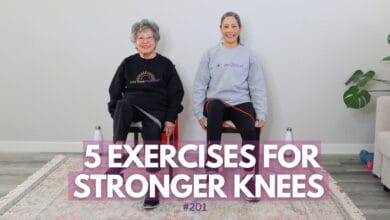
While seated cardio is fantastic, true joint health comes from a holistic approach. Complement your cardio with targeted strength and flexibility exercises. Strengthening the muscles around your knees – your quadriceps, hamstrings, and glutes – provides crucial support and stability. Simple exercises like gentle chair squats, heel slides, or straight leg raises can be performed daily. Additionally, gentle stretching, such as hamstring stretches (seated or lying) and calf stretches, can improve your range of motion and reduce stiffness. Always perform stretches after your muscles are warmed up, holding each stretch for 20-30 seconds without bouncing. This integrated approach ensures your knees are not only moving well but are also supported by strong, flexible surrounding musculature. -
Listening to Your Body and Seeking Professional Guidance When Needed
Your body is a remarkable communicator, and pain is its way of telling you something needs attention. Never push through sharp or increasing pain. Differentiating between muscle fatigue and joint pain is critical. If you’re unsure, or if your pain persists despite your best efforts, please consult a physical therapist or your doctor. A qualified professional can assess your specific condition, provide a personalized exercise plan, and offer hands-on treatments. They can also guide you on proper form and progression, ensuring your efforts are safe and effective. Remember, seeking help is a sign of strength, not weakness, and an investment in your long-term joint health and independence.
Embarking on this journey toward improved joint health and mobility is a powerful act of self-care. Every gentle pedal stroke, every mindful step, is a victory. Start today, take it slow, be patient with yourself, and celebrate every small step toward regaining comfort, confidence, and the independent living you deserve.
Watch the Full Routine Here
Source: Original content expanded from YouTube video: Which Is Better for Knee Arthritis? Seated Stepper vs. Recumbent Bike