Chair Yoga for Seniors: Boost Joint Health & Fall Prevention
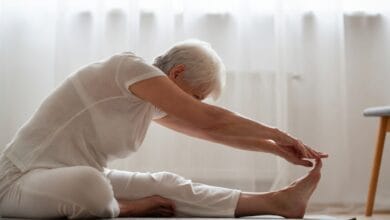
Are you experiencing nagging stiffness, a persistent ache, or that unsettling fear of losing your balance? You’re not alone. Many vibrant adults over 50 face these challenges, but the good news is that maintaining your mobility and independence doesn’t require high-impact workouts. This gentle, chair-based yoga routine is your accessible, effective path to nourishing your joints, enhancing your balance, and reclaiming confidence in your daily movements.
The Gentle Science of Lasting Mobility
Understanding how gentle movement benefits your body is key to embracing a consistent routine. Low-impact exercises like chair yoga are scientifically proven to be incredibly effective for mature adults. They help circulate synovial fluid, the natural lubricant within your joints, which is crucial for reducing friction and stiffness. Regular, controlled movements also strengthen the stabilizing muscles around your joints, improving proprioception – your body’s sense of its position in space – which is fundamental for fall prevention. Expert consensus emphasizes that consistent, mindful movement, even for short durations, is far more beneficial than sporadic, intense bursts, leading to sustained joint maintenance and a higher quality of independent living.
Your Daily Path to Pain-Free Movement
-
Gentle Neck & Shoulder Rolls: Begin seated, spine tall. Slowly roll your shoulders back and down, then forward and up, creating large, circular motions. Follow with gentle neck tilts, ear to shoulder, then chin to chest. This movement specifically targets the often-neglected cervical spine and shoulder girdle, increasing blood flow and loosening tight muscles that contribute to “frozen shoulder” symptoms. I always advise my clients to imagine they’re drawing small, smooth circles with the crown of their head and the tips of their shoulders, focusing on fluidity rather than force. This helps release tension that often accumulates from daily activities and poor posture, enhancing range of motion and reducing headache potential.
-
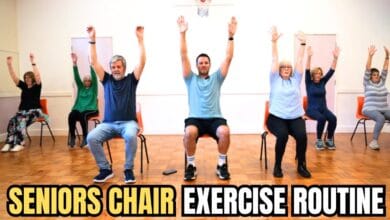
Seated Arm & Chest Openers: Extend your arms out to the sides, palms forward, then gently sweep them overhead, bringing your palms together if comfortable. Alternatively, interlace your fingers behind your head and gently open your elbows wide, feeling a stretch across your chest. This vital movement counteracts the common hunched posture, which can compress the lungs and strain the upper back. By opening the chest and extending the arms, you improve lung capacity, strengthen the muscles that support your shoulder blades, and enhance your ability to perform daily tasks like reaching for items on a shelf or comfortably hugging loved ones. Remember to keep your shoulders relaxed and away from your ears.
-
Mindful Torso Twists: Sitting tall, place one hand on the opposite knee and the other hand on the back of your chair. Gently twist your torso, looking over your back shoulder. Hold briefly, then switch sides. These gentle spinal twists are excellent for maintaining the flexibility of your vertebral column and hydrating the discs between your vertebrae. They also stimulate the organs in your abdominal region and improve rotational mobility, which is crucial for everyday movements like turning to check your blind spot while driving or reaching for something beside you. The key here is to initiate the twist from your core, not just your neck, and to move only within a comfortable range, breathing deeply throughout.
-
Seated Leg & Hip Mobility: Extend one leg straight out, flexing your foot, then bring it back. Follow with knee lifts, bringing one knee towards your chest, then the other. This focuses on activating and strengthening the muscles of your lower body, which are critical for balance and fall prevention. Many seniors experience tightness in their hip flexors from prolonged sitting, and these exercises help to lengthen those muscles while engaging the quadriceps and core. Improved hip and knee stability directly translates to more confident walking, easier transitions from sitting to standing, and better overall lower body control. Ensure your back remains supported by the chair and move with control.
-
Conscious Breathing & Centering: Conclude your routine by sitting quietly, hands resting on your thighs. Close your eyes if comfortable and simply observe your breath. Inhale slowly through your nose, feeling your belly rise, and exhale completely, feeling it fall. This isn’t just relaxation; it’s a powerful tool for pain management and stress reduction. Deep, diaphragmatic breathing activates the parasympathetic nervous system, promoting a sense of calm and reducing the body’s perception of pain. It also enhances mental clarity and body awareness, reinforcing the mind-body connection that is central to sustained well-being and improved balance. Even a few minutes of mindful breathing can reset your nervous system.
Embracing a consistent chair yoga practice is an investment in your future self. Start today, take it slow, and celebrate every small step toward greater comfort, enhanced balance, and the enduring independence you deserve. Your body is capable of incredible resilience; give it the gentle care it needs to thrive.
Watch the Full Routine Here
Source: Original content expanded from YouTube video: Easy Exercises for Frozen Shoulder | Chair Yoga for Senior Citizens | | Yogalates with Rashmi